Thiamine Mononitrate Riboflavin Folic Acid
What is Thiamine Mononitrate Riboflavin Folic Acid?
Thiamine mononitrate, riboflavin, and folic acid are forms of B vitamins. Thiamine (B1) and riboflavin (B2) are naturally found in many foods like grains, meats, and dairy. Folic acid is the synthetic form of folate (B9), which is found in leafy green vegetables and legumes. These vitamins are often produced through chemical synthesis.
Is Thiamine Mononitrate Riboflavin Folic Acid vegan?
Thiamine Mononitrate Riboflavin Folic Acid is not animal-derived. Products that contain it can still include other animal-derived ingredients, so check the full ingredient list.
Is Thiamine Mononitrate Riboflavin Folic Acid gluten-free?
These vitamins themselves do not contain any of the nine major allergens and are generally considered gluten-free.
Is Thiamine Mononitrate Riboflavin Folic Acid a major allergen?
Not a major allergen.
What is Thiamine Mononitrate Riboflavin Folic Acid used for?
These ingredients are added to foods as nutrients to fortify them, helping consumers meet their daily vitamin needs.
Is Thiamine Mononitrate Riboflavin Folic Acid safe?
Thiamine mononitrate, riboflavin, and folic acid are generally recognized as safe (GRAS) by the FDA when used as nutrients.
Why it's used
These ingredients are added to foods as nutrients to fortify them, helping consumers meet their daily vitamin needs. They are commonly found in enriched grain products such as bread, pasta, cereals, and baked goods like cookies, cakes, and pizza. Fortification helps replace nutrients lost during processing and can help prevent deficiencies.
Health notes
Thiamine mononitrate, riboflavin, and folic acid are generally recognized as safe (GRAS) by the FDA when used as nutrients. The FDA permits their use in food fortification. International bodies like JECFA have evaluated these vitamins and established acceptable daily intakes. At typical intake levels from fortified foods, they are considered safe and essential for health. Folic acid is particularly important for preventing neural tube defects in developing fetuses.
Allergen info
Not a major allergen. These vitamins themselves do not contain any of the nine major allergens and are generally considered gluten-free.
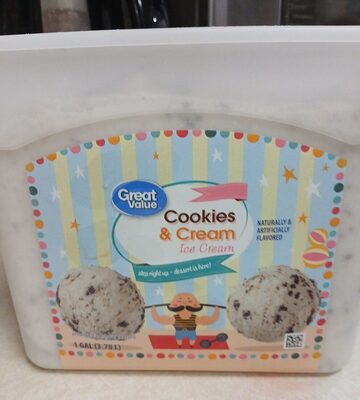
Foods that contain Thiamine Mononitrate Riboflavin Folic Acid
Compare products →
Learn more
Auto-generated content. This description was generated automatically and is pending editorial review. Inaccuracies are possible. Found a mistake? Contact us.