Auto-generated content.
This description was generated automatically and is pending editorial review.
Inaccuracies are possible. Found a mistake? Contact us.
Source
Not animal-derived
Allergen
No
Role in food
Manufacturers add thiamine mononitrate to foods as a nutrient supplement, primarily to fortify grain …
What it is
Thiamine mononitrate is a synthetic form of thiamine, also known as vitamin B1. Thiamine is an essential nutrient that plays a key role in energy metabolism. It is typically produced through chemical synthesis.
Why it's used
Manufacturers add thiamine mononitrate to foods as a nutrient supplement, primarily to fortify grain products like bread and cereals. It helps restore thiamine levels lost during food processing. It is commonly found in baked goods, breakfast cereals, and pasta.
Health notes
Thiamine mononitrate is generally recognized as safe (GRAS) by the U.S. Food and Drug Administration (FDA) when used as a nutrient. The Joint FAO/WHO Expert Committee on Food Additives (JECFA) has evaluated thiamine mononitrate and established an acceptable daily intake. At typical levels found in fortified foods, it contributes to meeting daily thiamine requirements. There are no widespread controversies regarding its safety or use in food.
Allergen info
Thiamine mononitrate is not derived from any of the FDA's major allergens and does not contain gluten.
Note:
This site presents label data from USDA FoodData Central for general information. It is not medical advice.
Check the package label; formulations change.
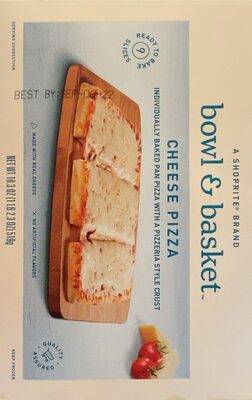 Cheese Pizza
High in sodium — 21% DV per serving
High in saturated fat — 23% DV per serving
250kcal
10.3Protein
7.8Fat
35.3Carbs
Zincomatic Inc.
Easter Unicorns Shortbread Cookie Box
429kcal
7.1Protein
14.3Fat
67.9Carbs
Cheese Pizza
High in sodium — 21% DV per serving
High in saturated fat — 23% DV per serving
250kcal
10.3Protein
7.8Fat
35.3Carbs
Zincomatic Inc.
Easter Unicorns Shortbread Cookie Box
429kcal
7.1Protein
14.3Fat
67.9Carbs