To Prevent Caking
This entry is a label phrase. See the main ingredient page: Prevent Caking.
What is To Prevent Caking?
Anti-caking agents are substances added to powdered or granular foods to prevent clumping and ensure they remain free-flowing. They work by absorbing moisture, coating particles, or both, to keep individual particles from sticking together. These agents can be mineral-based, such as silicon dioxide, or plant-based, like certain starches.
Is To Prevent Caking a major allergen?
The function "to prevent caking" itself is not a major allergen.
What is To Prevent Caking used for?
Manufacturers add anti-caking agents to improve the texture and usability of products that are prone to clumping due to moisture.
Is To Prevent Caking safe?
Many anti-caking agents are generally recognized as safe (GRAS) by the FDA for use in food.
Why it's used
Manufacturers add anti-caking agents to improve the texture and usability of products that are prone to clumping due to moisture. They are commonly found in powdered goods like spices, grated cheese, powdered drink mixes, baking mixes, and table salt.
Health notes
Many anti-caking agents are generally recognized as safe (GRAS) by the FDA for use in food. At typical intake levels, these substances are considered safe for consumption. Individual anti-caking agents have been evaluated by international bodies like the Joint FAO/WHO Expert Committee on Food Additives (JECFA) and the European Food Safety Authority (EFSA), with most being deemed safe for use. There are no notable controversies regarding the general class of anti-caking agents at current usage levels.
Allergen info
The function "to prevent caking" itself is not a major allergen. While some anti-caking agents may be derived from plant sources, many common ones are mineral-based and not associated with the 9 FDA major allergens.
Foods that contain To Prevent Caking
Compare products →
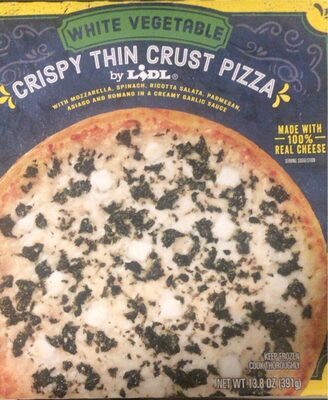
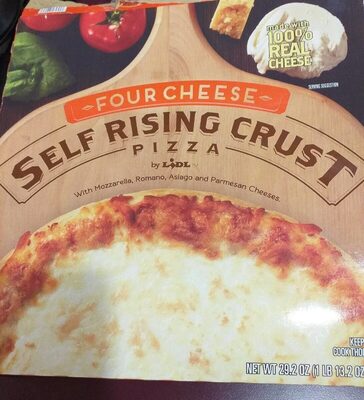


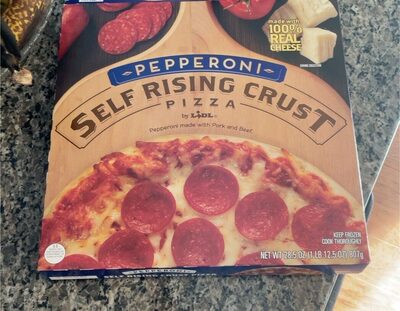

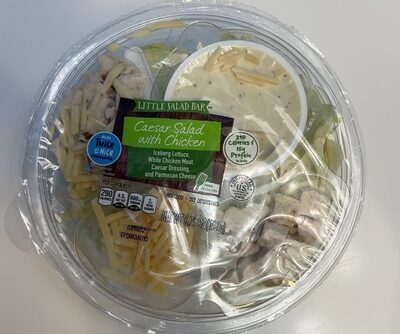
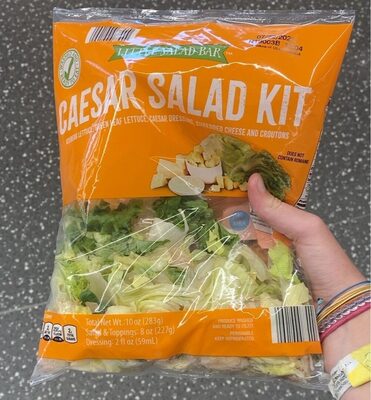
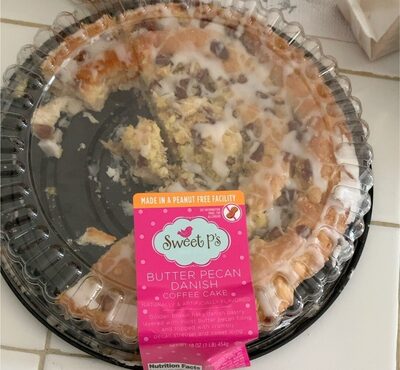
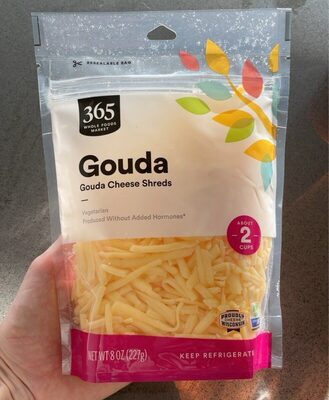
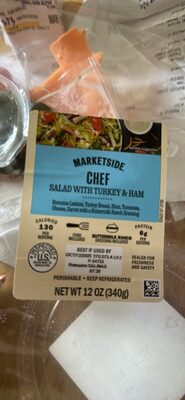
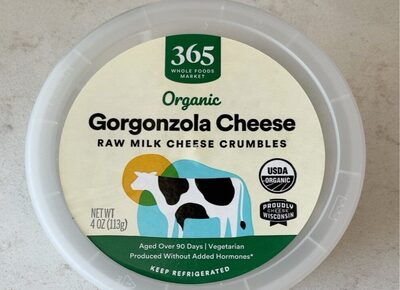
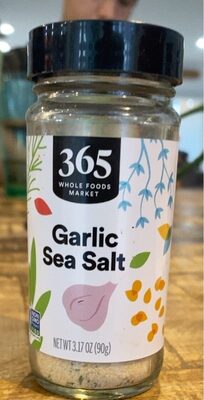
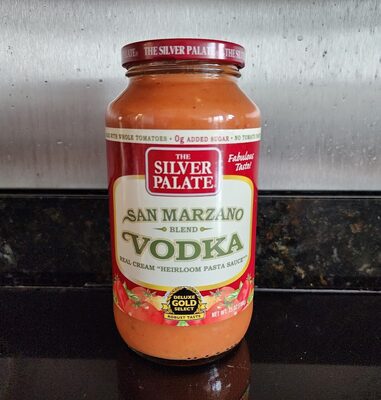
Auto-generated content. This description was generated automatically and is pending editorial review. Inaccuracies are possible. Found a mistake? Contact us.