Tomato Juice Citric Acid
What is Tomato Juice Citric Acid?
Citric acid is a weak organic acid found naturally in citrus fruits like lemons and limes. It is commonly produced commercially through the fermentation of a sugar source, such as corn or sugarcane, by a specific strain of mold (Aspergillus niger). The resulting acid is then purified and crystallized.
Is Tomato Juice Citric Acid vegan?
Tomato Juice Citric Acid is not animal-derived. Products that contain it can still include other animal-derived ingredients, so check the full ingredient list.
Is Tomato Juice Citric Acid gluten-free?
Citric acid is not derived from any of the nine FDA major allergens and does not contain gluten.
What is Tomato Juice Citric Acid used for?
Citric acid is primarily used as an acidity regulator and preservative in food and beverages.
Is Tomato Juice Citric Acid safe?
In the U.S., citric acid is generally recognized as safe (GRAS) by the FDA when used as a food additive.
Why it's used
Citric acid is primarily used as an acidity regulator and preservative in food and beverages. It adds a tart, sour taste, enhances flavors, and helps prevent spoilage by inhibiting microbial growth. It is frequently found in processed foods, including canned fruits and vegetables, jams, candies, and soft drinks.
Health notes
In the U.S., citric acid is generally recognized as safe (GRAS) by the FDA when used as a food additive. It is also approved as a food additive in Europe by EFSA. International bodies like JECFA have evaluated citric acid and found no safety concerns at typical consumption levels. Evidence does not suggest adverse health effects from consuming foods containing citric acid at normal levels.
Allergen info
Citric acid is not derived from any of the nine FDA major allergens and does not contain gluten.
Foods that contain Tomato Juice Citric Acid
Compare products →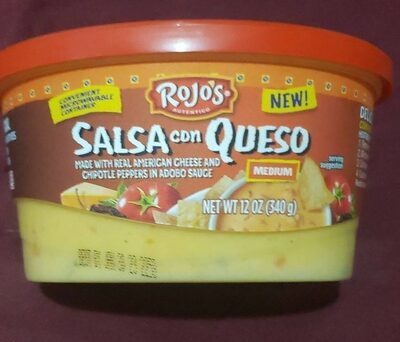 Simply Fresh, LLC
Medium Salsa Con Queso, Medium
High in sodium — 20% DV per serving
133kcal
6.7Protein
8.3Fat
10Carbs
ORTEGA
Homestyle Medium Salsa, Homestyle
31kcal
0Protein
0Fat
6.2Carbs
McIlhenny Company
Diced Tomatoes
21kcal
0.8Protein
0Fat
4.1Carbs
Valley Fine Foods Company
Shrimp & Lobster Ravioli, Shrimp & Lobster
High in sodium — 21% DV per serving
High in saturated fat — 20% DV per serving
High in cholesterol — 22% DV per serving
240kcal
12Protein
8Fat
31Carbs
Cincinnati Preserving Company
Heirloom Tomato Watermelon Jam
115kcal
0Protein
0Fat
30.8Carbs
Harry's Farmers Market, Ltd.
Whole Foods Market, Minestrone Soup
High in sodium — 38% DV per serving
39kcal
1.7Protein
0.9Fat
6.5Carbs
Simply Fresh, LLC
Medium Salsa Con Queso, Medium
High in sodium — 20% DV per serving
133kcal
6.7Protein
8.3Fat
10Carbs
ORTEGA
Homestyle Medium Salsa, Homestyle
31kcal
0Protein
0Fat
6.2Carbs
McIlhenny Company
Diced Tomatoes
21kcal
0.8Protein
0Fat
4.1Carbs
Valley Fine Foods Company
Shrimp & Lobster Ravioli, Shrimp & Lobster
High in sodium — 21% DV per serving
High in saturated fat — 20% DV per serving
High in cholesterol — 22% DV per serving
240kcal
12Protein
8Fat
31Carbs
Cincinnati Preserving Company
Heirloom Tomato Watermelon Jam
115kcal
0Protein
0Fat
30.8Carbs
Harry's Farmers Market, Ltd.
Whole Foods Market, Minestrone Soup
High in sodium — 38% DV per serving
39kcal
1.7Protein
0.9Fat
6.5Carbs
Auto-generated content. This description was generated automatically and is pending editorial review. Inaccuracies are possible. Found a mistake? Contact us.