Topping: Margarine
Auto-generated content. This description was generated automatically and is pending editorial review. Inaccuracies are possible. Found a mistake? Contact us.
What it is
Margarine is a spread used as a butter substitute. It is an emulsion, meaning it's a mixture of liquids that don't usually mix, like oil and water. It's typically made from vegetable oils, water or milk, salt, and emulsifiers, and often fortified with vitamins.
Why it's used
Manufacturers use margarine in many processed foods, including baked goods like bread and pastries, and frozen meals. It provides a creamy texture, flavor, and fat content, and can be a more affordable alternative to butter. It's also used as a spread and for cooking.
Health notes
Margarine's health impact has changed over time. Historically, many margarines contained partially hydrogenated oils (PHOs), which were a major source of artificial trans fats. The FDA determined that PHOs are no longer generally recognized as safe (GRAS) in 2018, effectively removing most artificial trans fats from the US food supply. Modern margarines are typically made with other types of fats, such as non-hydrogenated vegetable oils, which contain unsaturated fats. The health effects of margarine now depend on the specific oils and other ingredients used in its formulation.
Allergen info
Margarine itself is not a major allergen. However, some formulations may contain milk-derived ingredients (like whey or milk solids) or soy lecithin, which are major allergens. Consumers should check the ingredient list for specific allergens.
Products containing Topping: Margarine
Compare products →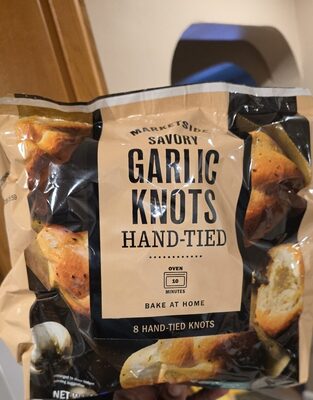 Wal-Mart Stores, Inc.
Savory Garlic Knots, Savory Garlic
324kcal
8.1Protein
12.2Fat
48.6Carbs
Wal-Mart Stores, Inc.
Savory Garlic Knots, Savory Garlic
324kcal
8.1Protein
12.2Fat
48.6Carbs
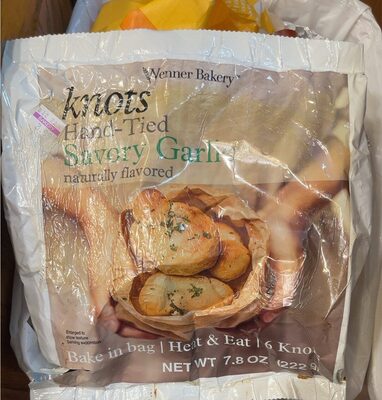 Wenner Bread Products Inc
Hand-Tied Savory Garlic Knots, Garlic
324kcal
8.1Protein
10.8Fat
48.6Carbs
Tasty Brands
Whole Grain GarlicKnot
304kcal
8.9Protein
10.7Fat
48.2Carbs
Safeway, Inc.
Garlic Knot Rolls, Garlic
324kcal
8.1Protein
12.2Fat
48.6Carbs
Bake Crafters Food Company
Knot, Garlic, Whole Grain, 2.0 oz.
316kcal
8.8Protein
8.8Fat
47.4Carbs
Bake Crafters Food Company
Knot, Garlic, Whole Grain, 1.3 oz
324kcal
8.1Protein
9.5Fat
48.6Carbs
Tyson Foods Inc.
Bosco Individually Wrapped Whole Grain Garlic Flavored Cheese Stuffed Breadsticks, 2.23 oz.
High in saturated fat — 32% DV per serving
287kcal
15.2Protein
12.5Fat
28.5Carbs
Wenner Bread Products Inc
Hand-Tied Savory Garlic Knots, Garlic
324kcal
8.1Protein
10.8Fat
48.6Carbs
Tasty Brands
Whole Grain GarlicKnot
304kcal
8.9Protein
10.7Fat
48.2Carbs
Safeway, Inc.
Garlic Knot Rolls, Garlic
324kcal
8.1Protein
12.2Fat
48.6Carbs
Bake Crafters Food Company
Knot, Garlic, Whole Grain, 2.0 oz.
316kcal
8.8Protein
8.8Fat
47.4Carbs
Bake Crafters Food Company
Knot, Garlic, Whole Grain, 1.3 oz
324kcal
8.1Protein
9.5Fat
48.6Carbs
Tyson Foods Inc.
Bosco Individually Wrapped Whole Grain Garlic Flavored Cheese Stuffed Breadsticks, 2.23 oz.
High in saturated fat — 32% DV per serving
287kcal
15.2Protein
12.5Fat
28.5Carbs