Tripotassium Citrate
What is Tripotassium Citrate?
Tripotassium citrate is the potassium salt of citric acid. It is a white, crystalline powder that is odorless and has a tart taste. It is produced by neutralizing citric acid with a potassium source, such as potassium hydroxide or potassium carbonate.
Is Tripotassium Citrate vegan?
Tripotassium Citrate is not animal-derived. Products that contain it can still include other animal-derived ingredients, so check the full ingredient list.
Is Tripotassium Citrate gluten-free?
It does not contain gluten.
Is Tripotassium Citrate a major allergen?
Tripotassium citrate is not derived from any of the 9 major allergens.
What is Tripotassium Citrate used for?
Tripotassium citrate is used as an acidity regulator, emulsifier, and stabilizer in a variety of food products.
Is Tripotassium Citrate safe?
Tripotassium citrate is generally recognized as safe (GRAS) by the FDA for use in food.
Why it's used
Tripotassium citrate is used as an acidity regulator, emulsifier, and stabilizer in a variety of food products. It helps to control the pH of foods, prevent separation, and improve texture. It is commonly found in beverages, dairy products, jams, jellies, and baked goods.
Health notes
Tripotassium citrate is generally recognized as safe (GRAS) by the FDA for use in food. It is a source of potassium, an essential mineral. International bodies like JECFA and EFSA have evaluated tripotassium citrate. At typical dietary intakes, it is not associated with adverse health effects.
Allergen info
Tripotassium citrate is not derived from any of the 9 major allergens. It does not contain gluten.
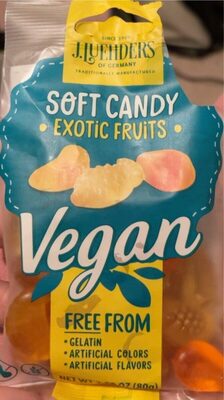
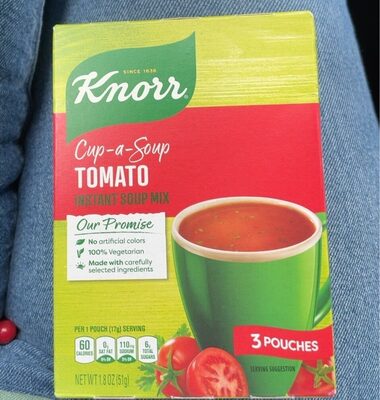
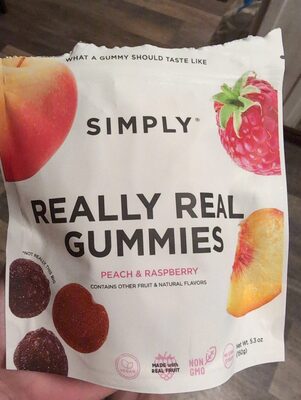
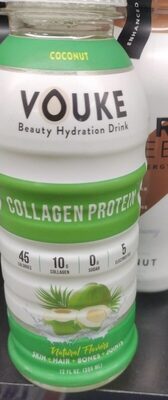
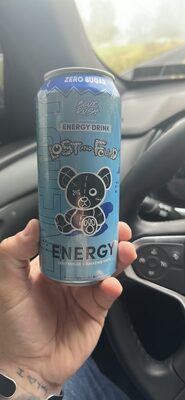
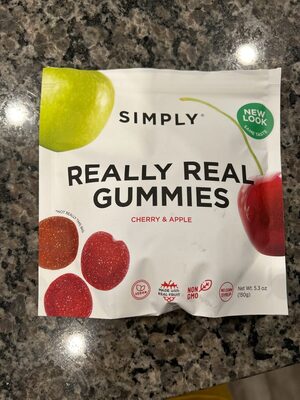
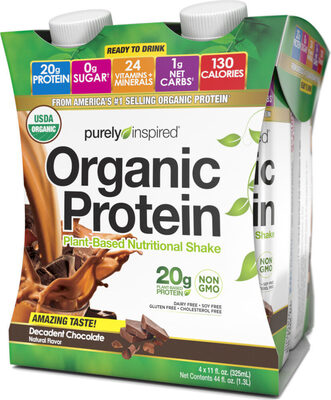
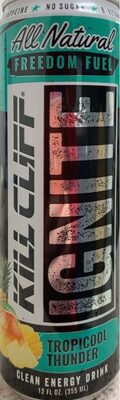
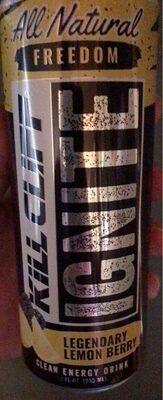
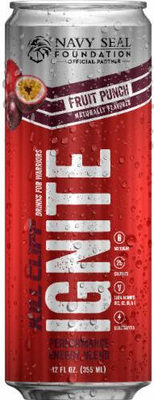
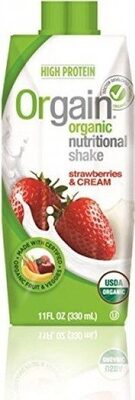
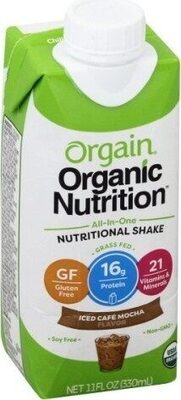
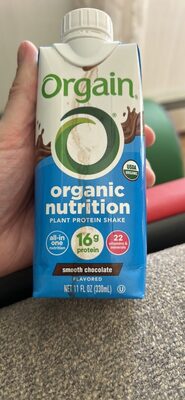
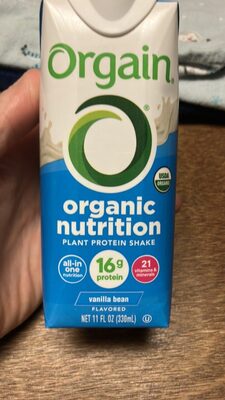
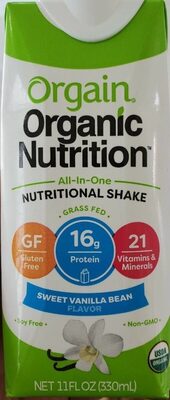
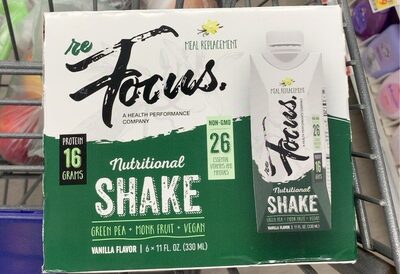
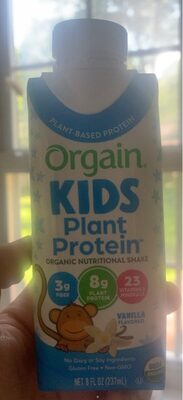
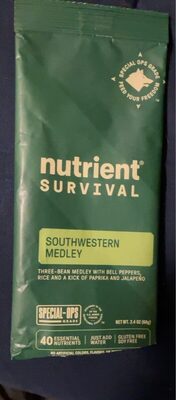
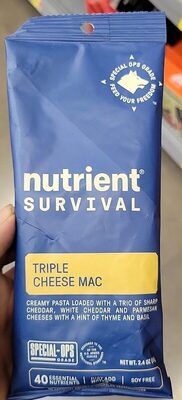
Foods that contain Tripotassium Citrate
Compare products →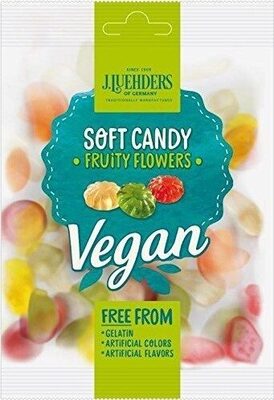
Auto-generated content. This description was generated automatically and is pending editorial review. Inaccuracies are possible. Found a mistake? Contact us.