Turkey Meatballs
What is Turkey Meatballs?
Turkey meatballs are small, round portions made primarily from ground turkey meat. They are typically mixed with ingredients like breadcrumbs, eggs, seasonings, and sometimes vegetables, then shaped and cooked by baking, frying, or simmering.
Is Turkey Meatballs vegan?
No. Turkey Meatballs is animal-derived, so it is not vegan.
Is Turkey Meatballs a major allergen?
Turkey is not considered one of the nine major food allergens identified by the FDA.
What is Turkey Meatballs used for?
In packaged foods, turkey meatballs serve as a main protein component for convenience meals.
Is Turkey Meatballs safe?
Turkey meat is a source of protein, vitamins, and minerals.
Why it's used
In packaged foods, turkey meatballs serve as a main protein component for convenience meals. They are commonly found in frozen dinners, pasta dishes, and deli items, offering a ready-to-eat or easy-to-prepare protein source.
Health notes
Turkey meat is a source of protein, vitamins, and minerals. The nutritional content of turkey meatballs can vary depending on the specific ingredients used, such as the fat content of the ground turkey and the amount of added salt or binders. The FDA does not regulate turkey meatballs as an additive; they are considered a food product.
Allergen info
Turkey is not considered one of the nine major food allergens identified by the FDA. However, turkey meatballs often contain other ingredients like wheat (breadcrumbs), eggs, or dairy, which are major allergens.
Foods that contain Turkey Meatballs
Compare products →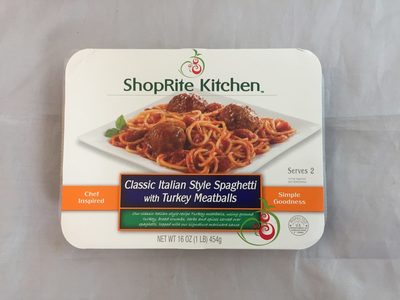
Learn more
Auto-generated content. This description was generated automatically and is pending editorial review. Inaccuracies are possible. Found a mistake? Contact us.