Usda Beef Chuck
What is Usda Beef Chuck?
USDA Beef Chuck refers to a specific cut of meat from the shoulder area of a cow. It is known for its rich flavor and can be tougher than other cuts, making it suitable for slow cooking methods. This cut is commonly ground for burgers or used in stews.
Is Usda Beef Chuck vegan?
No. Usda Beef Chuck is animal-derived, so it is not vegan.
Is Usda Beef Chuck a major allergen?
Not a major allergen.
What is Usda Beef Chuck used for?
Manufacturers use beef chuck primarily as a protein source and for its flavor and texture in various meat products.
Is Usda Beef Chuck safe?
Beef chuck is a natural food product, not a food additive, so it is not subject to FDA approval or GRAS status.
Why it's used
Manufacturers use beef chuck primarily as a protein source and for its flavor and texture in various meat products. It is a common ingredient in ground beef products like frozen patties and burgers, as well as in prepared meals such as stews and roasts.
Health notes
Beef chuck is a natural food product, not a food additive, so it is not subject to FDA approval or GRAS status. It is a good source of protein, iron, and other nutrients. However, it can also contain saturated fat; the 2025-2030 Dietary Guidelines for Americans suggest keeping saturated fat intake under 10% of daily calories. JECFA and EFSA do not typically evaluate whole food ingredients like beef chuck in the same way they assess food additives.
Allergen info
Not a major allergen.
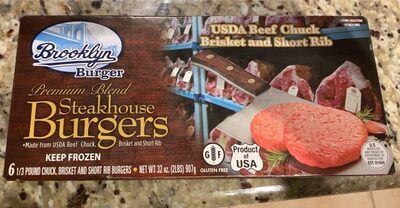
Foods that contain Usda Beef Chuck
Compare products →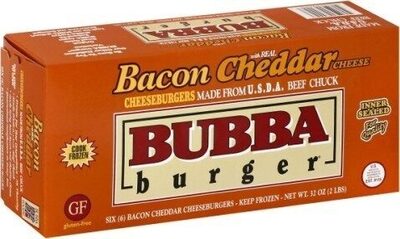
Learn more
Auto-generated content. This description was generated automatically and is pending editorial review. Inaccuracies are possible. Found a mistake? Contact us.