Vegan Margarine
Auto-generated content. This description was generated automatically and is pending editorial review. Inaccuracies are possible. Found a mistake? Contact us.
What it is
Vegan margarine is a plant-based spread designed to mimic the taste, texture, and functionality of dairy-based butter or margarine. It is typically made from a blend of vegetable oils (such as canola, soybean, or palm oil), water, and emulsifiers, with added flavorings and colorings.
Why it's used
Manufacturers use vegan margarine as a fat source and for its spreadability and baking properties. It functions similarly to traditional margarine in recipes, providing moisture and richness. It is commonly found in baked goods like cakes, cupcakes, and snack cakes, as well as in savory dishes like stuffing.
Health notes
Vegan margarine is generally recognized as safe (GRAS) by the FDA for use in food. It is a source of fat, and like all fats, should be consumed in moderation as part of a balanced diet. Regulatory bodies like JECFA and EFSA have evaluated many of the individual ingredients used in vegan margarine. While generally considered safe, the health impacts can vary depending on the specific types and amounts of oils and other ingredients used.
Allergen info
Vegan margarine is not derived from any of the 9 major allergens unless specific ingredients like soy oil or sesame are listed. It does not contain gluten. Always check the ingredient list for specific allergen information.
Products containing Vegan Margarine
Compare products →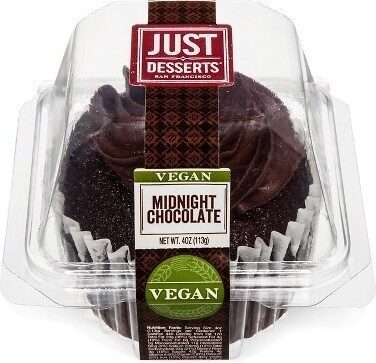 New Desserts, Inc.
Chocolate Midnight Vegan Cupcakes, Chocolate Midnight
High in saturated fat — 20% DV per serving
High in added sugars — 84% DV per serving
389kcal
3.5Protein
17.7Fat
56.6Carbs
Strasner's Bar-B-Que
Candy Corn Rice Krispie Treat, Candy Corn
High in added sugars — 30% DV per serving
386kcal
1.8Protein
7.9Fat
75.4Carbs
New Desserts, Inc.
Chocolate Midnight Vegan Cupcakes, Chocolate Midnight
High in saturated fat — 20% DV per serving
High in added sugars — 84% DV per serving
389kcal
3.5Protein
17.7Fat
56.6Carbs
Strasner's Bar-B-Que
Candy Corn Rice Krispie Treat, Candy Corn
High in added sugars — 30% DV per serving
386kcal
1.8Protein
7.9Fat
75.4Carbs