Vegetable Fat Shortening
Auto-generated content. This description was generated automatically and is pending editorial review. Inaccuracies are possible. Found a mistake? Contact us.
What it is
Vegetable fat shortening is a solid fat made from vegetable oils. It is typically produced by hydrogenating liquid vegetable oils, a process that makes them more solid and stable. This process can create trans fats, though many shortenings are now made using interesterification or by blending oils to minimize or avoid trans fats.
Why it's used
Shortening is used in baking to make doughs tender and flaky, and to improve shelf life. It adds moisture and a smooth texture to baked goods. It is commonly found in cookies, cakes, pastries, pie crusts, and breads.
Health notes
In the U.S., vegetable shortening is generally recognized as safe (GRAS) by the FDA when used as intended. Some shortenings may contain trans fats, which the FDA recommends limiting in the diet due to links with increased risk of heart disease. JECFA has evaluated fats and oils, including hydrogenated ones, and has established acceptable daily intakes for certain components. The health impact depends largely on the specific type of fat and processing method used.
Allergen info
Vegetable shortening is not a major allergen. However, if derived from soy or other major allergens, cross-contamination can be a concern. It does not contain gluten.
Products containing Vegetable Fat Shortening
Compare products →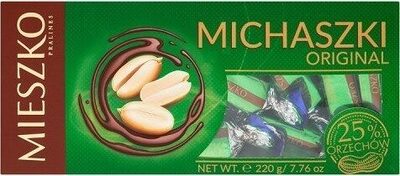 Original Michaszki
538kcal
7.7Protein
30.8Fat
61.5Carbs
Original Michaszki
538kcal
7.7Protein
30.8Fat
61.5Carbs