Vegetable Shortening Blend
Auto-generated content. This description was generated automatically and is pending editorial review. Inaccuracies are possible. Found a mistake? Contact us.
What it is
Vegetable shortening is a solid fat made from vegetable oils. It is typically made by hydrogenating liquid vegetable oils, a process that makes them more solid and stable. This process can create trans fats, though many manufacturers now use interesterification or blend oils to reduce or eliminate trans fats.
Why it's used
Manufacturers use vegetable shortening for its ability to create tender and flaky baked goods. It is a common ingredient in cakes, cookies, pies, and pastries, providing a smooth texture and preventing gluten development. It is also used in frostings and icings for its creamy consistency.
Health notes
Vegetable shortening is generally recognized as safe (GRAS) by the FDA for use in food. The health effects depend on the type of fats present, particularly the amount of saturated and trans fats. While trans fats have been linked to negative health outcomes, many shortenings now contain little to no trans fats. JECFA and EFSA have evaluated fats and oils, including those used in shortening, and have established guidelines for their use.
Allergen info
Vegetable shortening is not typically derived from major allergens. However, depending on the specific oils used (e.g., soy oil), it may be a source of allergens. Check product labels for specific allergen information. It does not contain gluten.
Products containing Vegetable Shortening Blend
Compare products →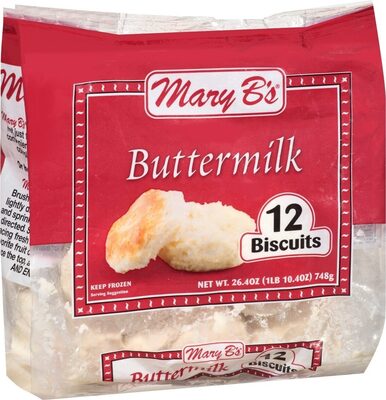 J&J Snack Foods Corp
Buttermilk Biscuits, Buttermilk
High in sodium — 20% DV per serving
High in saturated fat — 35% DV per serving
323kcal
4.8Protein
17.7Fat
35.5Carbs
J&J Snack Foods Corp
Tea Biscuits, Tea
High in saturated fat — 35% DV per serving
316kcal
5.3Protein
17.5Fat
35.1Carbs
J&J Snack Foods Corp
Buttermilk Biscuits, Buttermilk
High in sodium — 20% DV per serving
High in saturated fat — 35% DV per serving
323kcal
4.8Protein
17.7Fat
35.5Carbs
J&J Snack Foods Corp
Tea Biscuits, Tea
High in saturated fat — 35% DV per serving
316kcal
5.3Protein
17.5Fat
35.1Carbs
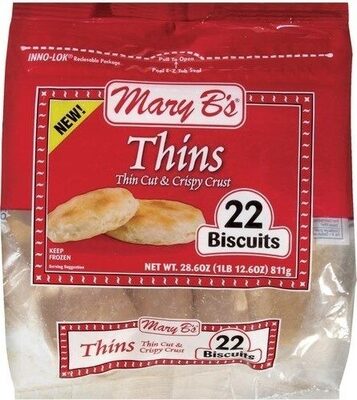 J&J Snack Foods Corp
Thins Biscuits, Thins
High in saturated fat — 20% DV per serving
324kcal
5.4Protein
18.9Fat
35.1Carbs
J&J Snack Foods Corp
Thins Biscuits, Thins
High in saturated fat — 20% DV per serving
324kcal
5.4Protein
18.9Fat
35.1Carbs
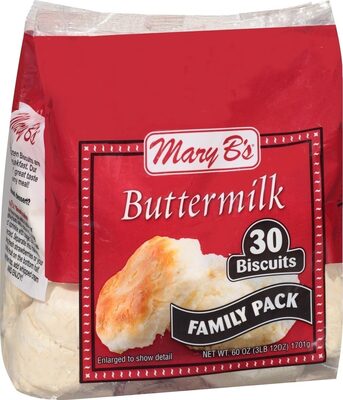 J&J Snack Foods Corp
Buttermilk Biscuits, Buttermilk
High in saturated fat — 35% DV per serving
316kcal
5.3Protein
17.5Fat
35.1Carbs
Wal-Mart Stores, Inc.
Peanut Butter Brownies, Peanut Butter
440kcal
4Protein
20Fat
60Carbs
Wal-Mart Stores, Inc.
Chocolate Bundt Cake, Chocolate
512kcal
6.2Protein
22.5Fat
66.2Carbs
J&J Snack Foods Corp
Buttermilk Biscuits, Buttermilk
High in saturated fat — 35% DV per serving
316kcal
5.3Protein
17.5Fat
35.1Carbs
Wal-Mart Stores, Inc.
Peanut Butter Brownies, Peanut Butter
440kcal
4Protein
20Fat
60Carbs
Wal-Mart Stores, Inc.
Chocolate Bundt Cake, Chocolate
512kcal
6.2Protein
22.5Fat
66.2Carbs