Vegetable Sunflower Oil
Auto-generated content. This description was generated automatically and is pending editorial review. Inaccuracies are possible. Found a mistake? Contact us.
What it is
Vegetable sunflower oil is a neutral-flavored oil extracted from the seeds of the sunflower plant. It is produced by crushing the seeds to release their oil, which is then typically refined, bleached, and deodorized to create a clear, stable product suitable for cooking and food manufacturing.
Why it's used
Manufacturers use sunflower oil primarily as a cooking oil and as an ingredient that adds moisture and a smooth texture to foods. Its neutral flavor makes it versatile for use in a wide range of products, including baked goods, snacks, sauces, and dressings.
Health notes
Sunflower oil is generally recognized as safe (GRAS) by the FDA for use in food. It is a source of polyunsaturated and monounsaturated fats, which are considered healthy fats. The Joint FAO/WHO Expert Committee on Food Additives (JECFA) has evaluated sunflower oil, and the European Food Safety Authority (EFSA) has also assessed its safety. Evidence suggests that consuming unsaturated fats in place of saturated fats can be beneficial for heart health.
Allergen info
Sunflower oil is not derived from any of the nine FDA major allergens. It does not contain gluten.
Products containing Vegetable Sunflower Oil
Compare products →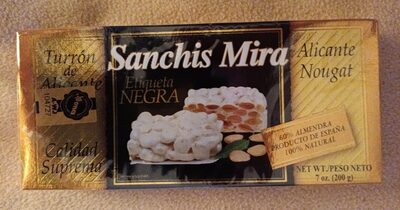 Goya Foods, Inc.
Sanchis Mira, Turro'N De Alicante Nougat
502kcal
12.5Protein
32.5Fat
40Carbs
Goya Foods, Inc.
Almond Brittle Nougat, Almond Brittle
455kcal
12.1Protein
33.3Fat
42.4Carbs
Weis Markets, Inc.
Everyone's Favorite Trail Mix
500kcal
14.3Protein
32.1Fat
50Carbs
Goya Foods, Inc.
Sanchis Mira, Turro'N De Alicante Nougat
502kcal
12.5Protein
32.5Fat
40Carbs
Goya Foods, Inc.
Almond Brittle Nougat, Almond Brittle
455kcal
12.1Protein
33.3Fat
42.4Carbs
Weis Markets, Inc.
Everyone's Favorite Trail Mix
500kcal
14.3Protein
32.1Fat
50Carbs
 Goya Foods, Inc.
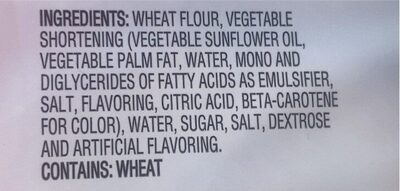
Orejitas Butterfly Pastries
High in saturated fat — 20% DV per serving
519kcal
7.4Protein
25.9Fat
63.0Carbs
Goya Foods, Inc.
Orejitas Butterfly Pastries
High in saturated fat — 20% DV per serving
519kcal
7.4Protein
25.9Fat
63.0Carbs