Vegetables Shortening
Auto-generated content. This description was generated automatically and is pending editorial review. Inaccuracies are possible. Found a mistake? Contact us.
What it is
Vegetable shortening is a solid fat made from vegetable oils, such as soybean, cottonseed, or palm oil. It is typically hydrogenated, a process that adds hydrogen to make the oil more solid and stable at room temperature. This gives it a smooth texture and a neutral flavor.
Why it's used
Manufacturers use vegetable shortening for its ability to create tender baked goods and its long shelf life. It helps to create a flaky texture in pastries and a moist crumb in cakes and cookies. It is commonly found in cakes, cookies, cupcakes, pies, and other baked goods.
Health notes
Vegetable shortening is generally recognized as safe (GRAS) by the FDA for use in food. The process of hydrogenation can create trans fats, which have been linked to negative health effects. However, many manufacturers have reformulated their products to reduce or eliminate trans fats. JECFA and EFSA have evaluated fats and oils, including hydrogenated versions, and have established guidelines for their use.
Allergen info
Vegetable shortening is not derived from any of the nine major allergens. It does not contain gluten.
Products containing Vegetables Shortening
Compare products →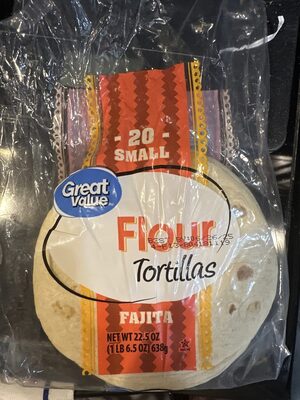 Wal-Mart Stores, Inc.
Flour Small Fajita Tortillas, Flour
312kcal
6.2Protein
9.4Fat
46.9Carbs
Wal-Mart Stores, Inc.
Flour Small Fajita Tortillas, Flour
312kcal
6.2Protein
9.4Fat
46.9Carbs