Vegetables
Auto-generated content. This description was generated automatically and is pending editorial review. Inaccuracies are possible. Found a mistake? Contact us.
What it is
Vegetables are edible plants or parts of plants, such as leaves, stems, roots, flowers, or fruits. They are grown through agriculture and harvested for consumption, providing a wide range of nutrients and flavors.
Why it's used
Manufacturers add vegetables to foods primarily for their flavor, texture, and nutritional value. They can also contribute natural color to dishes. Vegetables are commonly found in grain-based meals, dough-based products, and noodle dishes, like Thai peanut noodles or spinach and artichoke dip.
Health notes
Vegetables are considered whole foods and are not regulated as food additives by the FDA. They are widely recognized as a crucial part of a healthy diet, providing vitamins, minerals, fiber, and antioxidants. The Dietary Guidelines for Americans recommend consuming a variety of vegetables as part of a balanced eating pattern. There are no notable controversies regarding the safety of vegetables themselves as a food ingredient.
Allergen info
Vegetables are not considered one of the nine major food allergens identified by the FDA.
Products containing Vegetables
Compare products →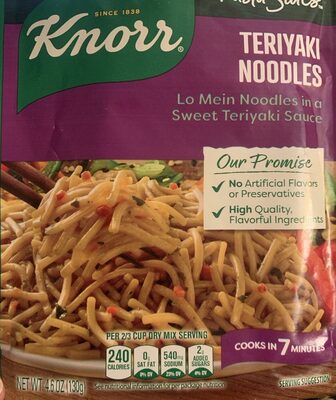 Lipton
Asian Sides Teriyaki Noodles
High in sodium — 32% DV per serving
368kcal
10.5Protein
2.6Fat
73.7Carbs
BENJE'S
Naturals Black Beans
High in sodium — 25% DV per serving
106kcal
6.0Protein
1.2Fat
18.3Carbs
Lipton
Asian Sides Teriyaki Noodles
High in sodium — 32% DV per serving
368kcal
10.5Protein
2.6Fat
73.7Carbs
BENJE'S
Naturals Black Beans
High in sodium — 25% DV per serving
106kcal
6.0Protein
1.2Fat
18.3Carbs
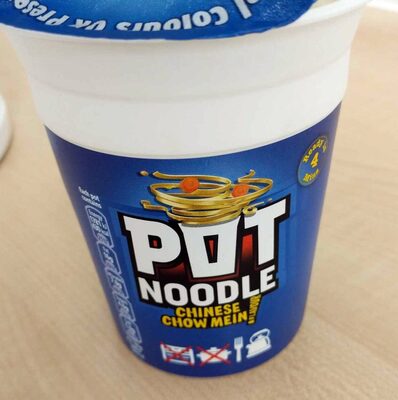 POT NOODLE
Noodle
140kcal
3.2Protein
5.3Fat
19Carbs
FRESH & EASY
Super Shred Salad
192kcal
2.0Protein
9.1Fat
28.3Carbs
Target Stores
90 Second Rice Long Grain & Wild
High in sodium — 24% DV per serving
180kcal
3.3Protein
2.3Fat
35.3Carbs
MULIX
Sangrita Tequila & Mezcal Chaser With Lemon And Veggies
67kcal
3.3Protein
0Fat
13.3Carbs
TAKOVO
Prepared Peas In Tomato Sauce
High in sodium — 62% DV per serving
113kcal
3.3Protein
6.7Fat
10.7Carbs
CAMPBELL SOUP COMPANY
Campbell's Chunky Soup Bison Bacon Burger
High in sodium — 51% DV per serving
High in saturated fat — 30% DV per serving
82kcal
4.3Protein
3.6Fat
8.2Carbs
HT TRADERS
Toasted Peanut Satay Sauce Noodle Bowl
183kcal
5.8Protein
5Fat
28.3Carbs
Conagra Brands
PF CHANGS Pepper Beef, 44 OZ
High in sodium — 62% DV per serving
90kcal
7.0Protein
2.9Fat
8.0Carbs
POT NOODLE
Noodle
140kcal
3.2Protein
5.3Fat
19Carbs
FRESH & EASY
Super Shred Salad
192kcal
2.0Protein
9.1Fat
28.3Carbs
Target Stores
90 Second Rice Long Grain & Wild
High in sodium — 24% DV per serving
180kcal
3.3Protein
2.3Fat
35.3Carbs
MULIX
Sangrita Tequila & Mezcal Chaser With Lemon And Veggies
67kcal
3.3Protein
0Fat
13.3Carbs
TAKOVO
Prepared Peas In Tomato Sauce
High in sodium — 62% DV per serving
113kcal
3.3Protein
6.7Fat
10.7Carbs
CAMPBELL SOUP COMPANY
Campbell's Chunky Soup Bison Bacon Burger
High in sodium — 51% DV per serving
High in saturated fat — 30% DV per serving
82kcal
4.3Protein
3.6Fat
8.2Carbs
HT TRADERS
Toasted Peanut Satay Sauce Noodle Bowl
183kcal
5.8Protein
5Fat
28.3Carbs
Conagra Brands
PF CHANGS Pepper Beef, 44 OZ
High in sodium — 62% DV per serving
90kcal
7.0Protein
2.9Fat
8.0Carbs