Vermont Sage Cheese
What is Vermont Sage Cheese?
Vermont Sage Cheese is a semi-hard to hard cheese made in Vermont, USA. It is typically crafted from cow's milk and infused with dried sage leaves, which impart a distinct herbal aroma and flavor. The cheese is often aged for several months, developing a firm texture and a rich, savory taste.
Is Vermont Sage Cheese vegan?
No. Vermont Sage Cheese is animal-derived, so it is not vegan.
Is Vermont Sage Cheese gluten-free?
It does not contain gluten.
Is Vermont Sage Cheese a major allergen?
Vermont Sage Cheese is derived from milk and is therefore a major allergen.
What is Vermont Sage Cheese used for?
Manufacturers use Vermont Sage Cheese primarily for its unique flavor profile, adding a savory, herbaceous note to foods.
Is Vermont Sage Cheese safe?
Vermont Sage Cheese is a dairy product and a source of protein and calcium.
Why it's used
Manufacturers use Vermont Sage Cheese primarily for its unique flavor profile, adding a savory, herbaceous note to foods. It is commonly found in pizzas, pasta dishes, and cheese platters. It also melts well, making it suitable for grilled cheese sandwiches and baked dishes.
Health notes
Vermont Sage Cheese is a dairy product and a source of protein and calcium. The FDA does not specifically regulate this cheese beyond general food safety standards. Like other aged cheeses, it contains sodium and saturated fat. Individuals with lactose intolerance may experience digestive discomfort. Those with dairy allergies should avoid it.
Allergen info
Vermont Sage Cheese is derived from milk and is therefore a major allergen. It does not contain gluten.
Foods that contain Vermont Sage Cheese
Compare products →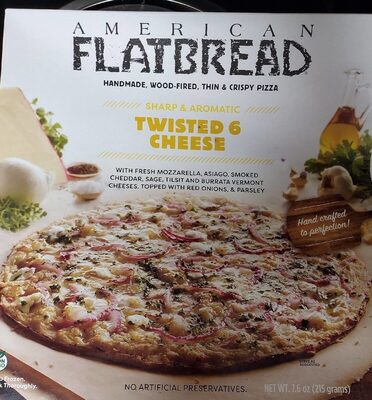
Learn more
Auto-generated content. This description was generated automatically and is pending editorial review. Inaccuracies are possible. Found a mistake? Contact us.