Vinegar Cultured Wheat Starch
What is Vinegar Cultured Wheat Starch?
Vinegar cultured wheat starch is a food additive made from wheat starch that has been fermented. The fermentation process, often using vinegar or other culturing agents, modifies the starch to give it specific functional properties. It is used to improve the texture and stability of various food products.
Is Vinegar Cultured Wheat Starch vegan?
Vinegar Cultured Wheat Starch is not animal-derived. Products that contain it can still include other animal-derived ingredients, so check the full ingredient list.
Is Vinegar Cultured Wheat Starch gluten-free?
It contains gluten.
Is Vinegar Cultured Wheat Starch a major allergen?
Vinegar cultured wheat starch is derived from wheat, which is one of the 9 major allergens.
What is Vinegar Cultured Wheat Starch used for?
Manufacturers add cultured wheat starch to foods to act as a thickener and stabilizer, improving mouthfeel and preventing ingredients from separating.
Is Vinegar Cultured Wheat Starch safe?
Vinegar cultured wheat starch is generally recognized as safe (GRAS) by the FDA for use in food.
Why it's used
Manufacturers add cultured wheat starch to foods to act as a thickener and stabilizer, improving mouthfeel and preventing ingredients from separating. It is commonly found in baked goods like cakes and pastries, as well as in prepared sandwiches and deli items, helping to maintain their desired texture and freshness.
Health notes
Vinegar cultured wheat starch is generally recognized as safe (GRAS) by the FDA for use in food. It is a modified starch and is not associated with significant health concerns when consumed in typical amounts as part of a balanced diet. Regulatory bodies like the FDA have evaluated its use, and it is considered safe for consumption.
Allergen info
Vinegar cultured wheat starch is derived from wheat, which is one of the 9 major allergens. It contains gluten.
Foods that contain Vinegar Cultured Wheat Starch
Compare products →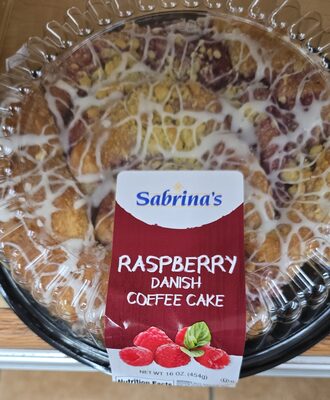
Learn more
Auto-generated content. This description was generated automatically and is pending editorial review. Inaccuracies are possible. Found a mistake? Contact us.