Virgin Coconut
What is Virgin Coconut?
Virgin coconut oil is a type of edible oil extracted from the meat of mature coconuts. It is typically produced without the use of high heat or chemical solvents, which helps to retain its natural aroma, flavor, and nutritional components.
Is Virgin Coconut vegan?
Virgin Coconut is not animal-derived. Products that contain it can still include other animal-derived ingredients, so check the full ingredient list.
Is Virgin Coconut a major allergen?
Coconuts are botanically fruits, but the FDA classifies them as tree nuts for food labeling purposes due to potential allergic reactions.
What is Virgin Coconut used for?
Manufacturers add virgin coconut oil to foods for its distinctive flavor, creamy texture, and as a source of fat.
Is Virgin Coconut safe?
Virgin coconut oil is generally recognized as safe (GRAS) by the FDA.
Why it's used
Manufacturers add virgin coconut oil to foods for its distinctive flavor, creamy texture, and as a source of fat. It is often found in plant-based butter and spread alternatives, nut and seed butters, and various baked goods and snack products.
Health notes
Virgin coconut oil is generally recognized as safe (GRAS) by the FDA. It is a source of saturated fat; the Dietary Guidelines for Americans (2025-2030) recommend limiting saturated fat intake to less than 10% of daily calories. JECFA has evaluated coconut oil. There is ongoing scientific discussion regarding the health effects of dietary saturated fats, but virgin coconut oil is considered safe for consumption as part of a balanced diet.
Allergen info
Coconuts are botanically fruits, but the FDA classifies them as tree nuts for food labeling purposes due to potential allergic reactions. Therefore, virgin coconut oil is considered to be derived from a tree nut.
Foods that contain Virgin Coconut
Compare products →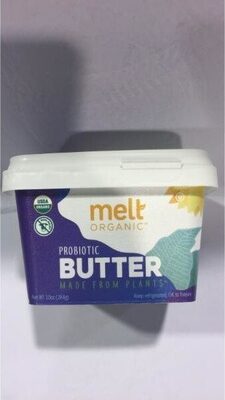
Learn more
Auto-generated content. This description was generated automatically and is pending editorial review. Inaccuracies are possible. Found a mistake? Contact us.