Vit D3
What is Vit D3?
Vitamin D3, also known as cholecalciferol, is a fat-soluble vitamin naturally produced in the skin when exposed to sunlight. It can also be obtained from certain animal-based foods. For food fortification, it is typically synthesized from lanolin, a wool grease derivative, through a multi-step process.
Is Vit D3 vegan?
No. Vit D3 is animal-derived, so it is not vegan.
Is Vit D3 gluten-free?
It is not a source of gluten.
Is Vit D3 a major allergen?
Vitamin D3 itself is not derived from any of the 9 FDA major allergens.
What is Vit D3 used for?
Vitamin D3 is added to foods as a nutrient to help consumers meet their daily requirements.
Is Vit D3 safe?
Vitamin D3 is generally recognized as safe (GRAS) by the FDA when used as a nutrient in food.
Why it's used
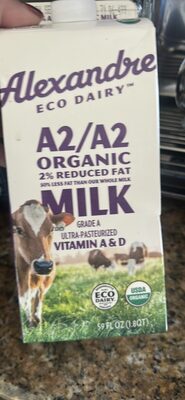
Vitamin D3 is added to foods as a nutrient to help consumers meet their daily requirements. It is commonly found in dairy products like milk and yogurt, as well as in breakfast cereals, orange juice, and some baked goods. Its addition helps support bone health and immune function.
Health notes
Vitamin D3 is generally recognized as safe (GRAS) by the FDA when used as a nutrient in food. The National Academies of Sciences, Engineering, and Medicine have established upper intake levels for vitamin D. Both JECFA and EFSA have evaluated vitamin D and set acceptable daily intakes. Adequate vitamin D intake is important for calcium absorption and bone health, and deficiency is linked to bone diseases like rickets and osteoporosis. Very high intakes can lead to hypercalcemia.
Allergen info
Vitamin D3 itself is not derived from any of the 9 FDA major allergens. It is not a source of gluten.
Foods that contain Vit D3
Compare products →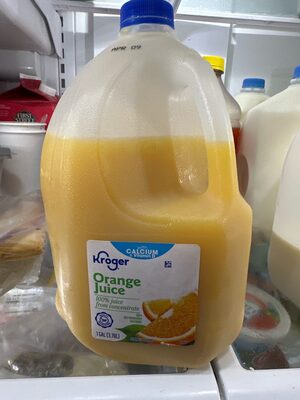
Learn more
Auto-generated content. This description was generated automatically and is pending editorial review. Inaccuracies are possible. Found a mistake? Contact us.