Vitamin And Minerals: Vitamin C
Auto-generated content. This description was generated automatically and is pending editorial review. Inaccuracies are possible. Found a mistake? Contact us.
What it is
Vitamin C, also known as ascorbic acid, is a water-soluble vitamin found naturally in many fruits and vegetables, especially citrus fruits. It is commercially produced through a process that typically starts with glucose derived from corn or other plant sources.
Why it's used
Manufacturers add Vitamin C to foods as an antioxidant to prevent spoilage and maintain color, and as a nutrient to fortify products like cereals, juices, and processed meats. It helps preserve the freshness and visual appeal of many packaged foods.
Health notes
Vitamin C is an essential nutrient for humans, playing a role in immune function and collagen production. The U.S. Food and Drug Administration (FDA) recognizes it as safe when used as a nutrient or dietary supplement. International bodies like JECFA have evaluated Vitamin C and set an acceptable daily intake. While generally considered safe, very high doses can sometimes cause digestive upset.
Allergen info
Not a major allergen. Vitamin C itself is not derived from any of the nine major allergens, nor does it contain gluten.
Products containing Vitamin And Minerals: Vitamin C
Compare products →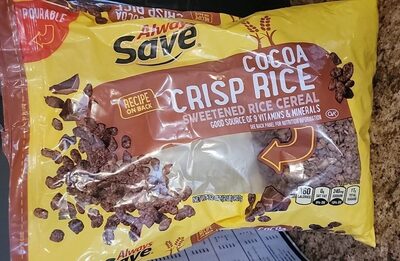 Associated Wholesale Grocers, Inc.
Cocoa Crisp Rice Sweetened Rice Cereal, Cocoa Crisp Rice
High in added sugars — 26% DV per serving
400kcal
5Protein
1.2Fat
90Carbs
Gilster Marylee C/o Ko-Pak Inc.
Cocoa Crispy Rice Sweetened Rice Cereal, Cocoa Crispy Rice Sweetened Rice
High in added sugars — 32% DV per serving
375kcal
5Protein
0Fat
90Carbs
Associated Wholesale Grocers, Inc.
Toasted Oats Cereal, Toasted Oats
395kcal
10.5Protein
6.6Fat
73.7Carbs
Associated Wholesale Grocers, Inc.
Cocoa Crisp Rice Sweetened Rice Cereal, Cocoa Crisp Rice
High in added sugars — 26% DV per serving
400kcal
5Protein
1.2Fat
90Carbs
Gilster Marylee C/o Ko-Pak Inc.
Cocoa Crispy Rice Sweetened Rice Cereal, Cocoa Crispy Rice Sweetened Rice
High in added sugars — 32% DV per serving
375kcal
5Protein
0Fat
90Carbs
Associated Wholesale Grocers, Inc.
Toasted Oats Cereal, Toasted Oats
395kcal
10.5Protein
6.6Fat
73.7Carbs