Zinc
Auto-generated content. This description was generated automatically and is pending editorial review. Inaccuracies are possible. Found a mistake? Contact us.
What it is
Zinc is an essential mineral, meaning the body needs it to function properly. It is naturally found in foods like meat, poultry, seafood, whole grains, and legumes. In fortified foods, it is often added in the form of zinc oxide or zinc sulfate.
Why it's used
Zinc is added to foods primarily as a nutrient to help consumers meet their daily recommended intake. It is commonly found in breakfast cereals, infant formulas, and nutritional supplements. It does not typically serve other functions like flavoring or preservation.
Health notes
Zinc is recognized as safe and effective by the FDA when used as a nutrient in food. The National Academies of Sciences, Engineering, and Medicine have established a tolerable upper intake level (UL) for zinc. JECFA and EFSA have also evaluated zinc and its compounds. Adequate zinc intake is important for immune function and cell growth, and deficiencies can lead to health issues. However, excessive zinc intake can interfere with copper absorption and may cause gastrointestinal upset.
Allergen info
Zinc itself is not a major allergen and is not derived from any of the 9 FDA major allergens. It does not contain gluten.
Products containing Zinc
Compare products →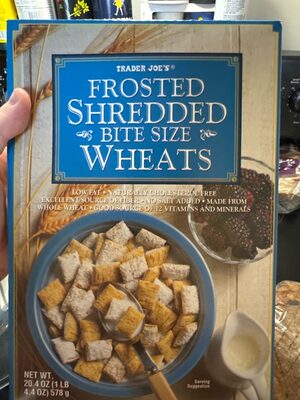 TRADER JOE'S
Frosted Shredded Bite Size Wheats
385kcal
9.6Protein
1.9Fat
80.8Carbs
SPARTAN
Spartan, Toasted Oat Cereal With Apples & Cinnamon
400kcal
6.7Protein
5Fat
80Carbs
SPARTAN
Toasted Oats, Whole Grain Toasted Oat Cereal
400kcal
13.3Protein
3.3Fat
76.7Carbs
SPARTAN
Honey And Oat Crunch With Almonds
400kcal
6.7Protein
5Fat
83.3Carbs
Kingston Marketing Co
Toasted Oats Cereal
400kcal
13.3Protein
3.3Fat
76.7Carbs
Kingston Marketing Co
Frosted Fruit Sweetened Multi-Grain Cereal
375kcal
6.2Protein
0Fat
90.6Carbs
Kingston Marketing Co
Frosted Apples Sweetened Multi-Grain Cereal
364kcal
6.1Protein
0Fat
87.9Carbs
CASA LINDO
Casa Lindo, Gourmet Ground Coffee
250kcal
12.5Protein
12.5Fat
37.5Carbs
BIOSTEEL
Biosteel, High Performance Sports Drink
100kcal
—Protein
0Fat
24Carbs
Harris-Teeter Inc.
Harris Teeter, Harvest Grains, A Wholesome Grain Cereal With Raising, Date & Pecans
389kcal
7.4Protein
4.6Fat
77.8Carbs
TRADER JOE'S
Frosted Shredded Bite Size Wheats
385kcal
9.6Protein
1.9Fat
80.8Carbs
SPARTAN
Spartan, Toasted Oat Cereal With Apples & Cinnamon
400kcal
6.7Protein
5Fat
80Carbs
SPARTAN
Toasted Oats, Whole Grain Toasted Oat Cereal
400kcal
13.3Protein
3.3Fat
76.7Carbs
SPARTAN
Honey And Oat Crunch With Almonds
400kcal
6.7Protein
5Fat
83.3Carbs
Kingston Marketing Co
Toasted Oats Cereal
400kcal
13.3Protein
3.3Fat
76.7Carbs
Kingston Marketing Co
Frosted Fruit Sweetened Multi-Grain Cereal
375kcal
6.2Protein
0Fat
90.6Carbs
Kingston Marketing Co
Frosted Apples Sweetened Multi-Grain Cereal
364kcal
6.1Protein
0Fat
87.9Carbs
CASA LINDO
Casa Lindo, Gourmet Ground Coffee
250kcal
12.5Protein
12.5Fat
37.5Carbs
BIOSTEEL
Biosteel, High Performance Sports Drink
100kcal
—Protein
0Fat
24Carbs
Harris-Teeter Inc.
Harris Teeter, Harvest Grains, A Wholesome Grain Cereal With Raising, Date & Pecans
389kcal
7.4Protein
4.6Fat
77.8Carbs