Vitamin D
What is Vitamin D?
Vitamin D is a fat-soluble vitamin essential for human health. It is naturally produced in the skin upon exposure to sunlight and can be obtained from certain foods like fatty fish and egg yolks. For food fortification, it is often produced synthetically, either from lanolin (sheep's wool) to make vitamin D3 (cholecalciferol) or from fungi/yeast to make vitamin D2 (ergocalciferol).
Is Vitamin D vegan?
No. Vitamin D is animal-derived, so it is not vegan.
Is Vitamin D a major allergen?
Not a major allergen.
What is Vitamin D used for?
Manufacturers add Vitamin D to foods primarily as a nutrient to fortify them.
Is Vitamin D safe?
In the US, Vitamin D is generally recognized as safe (GRAS) by the FDA when used at appropriate levels for food fortification.
Why it's used
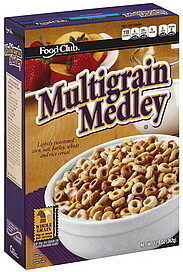
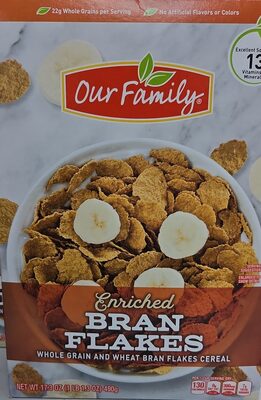
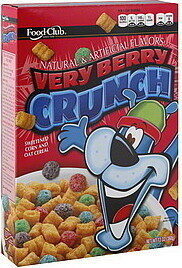
Manufacturers add Vitamin D to foods primarily as a nutrient to fortify them. It plays a crucial role in helping the body absorb calcium and phosphorus, which are vital for strong bones. It is commonly added to dairy products, plant-based milk alternatives, cereals, and orange juice.
Health notes
In the US, Vitamin D is generally recognized as safe (GRAS) by the FDA when used at appropriate levels for food fortification. It is essential for bone health and immune function; deficiency can lead to conditions like rickets in children. JECFA has evaluated Vitamin D and set an acceptable daily intake, while EFSA has also evaluated it and set a tolerable upper intake level. The US National Academies also provide Upper Intake Levels for Vitamin D. While its role in bone health is well-established, evidence regarding the benefits of very high doses for other general health outcomes remains mixed.
Allergen info
Not a major allergen.
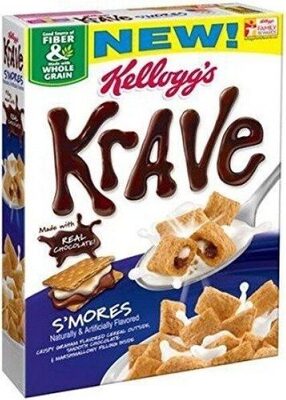
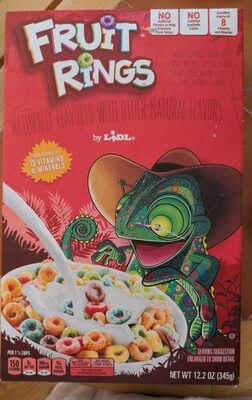
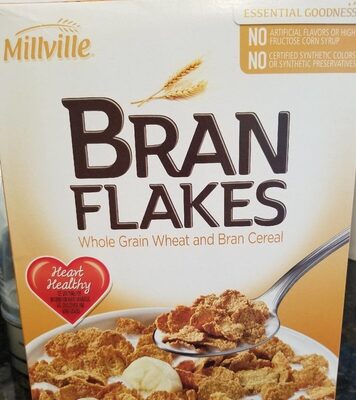
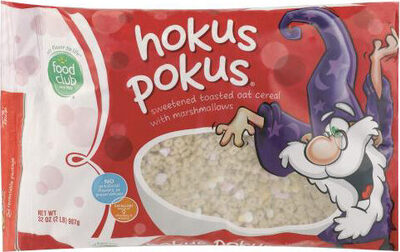
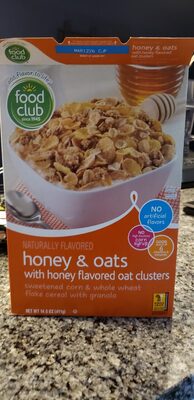
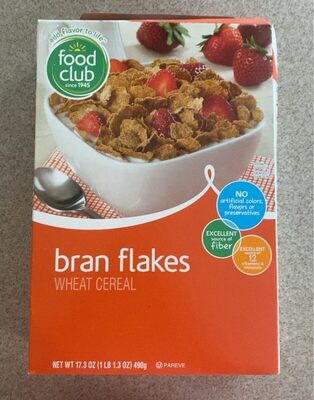
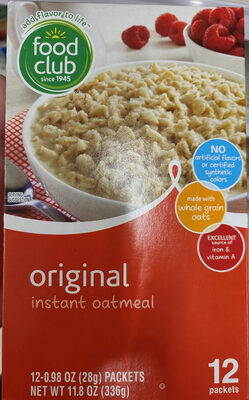
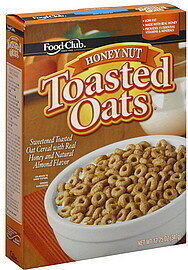
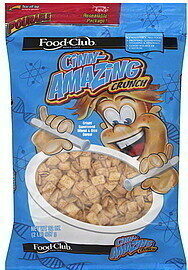
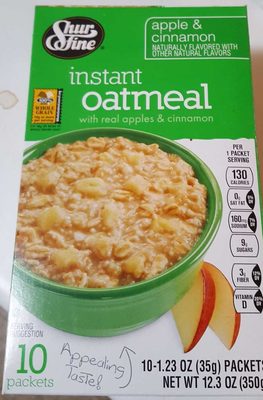
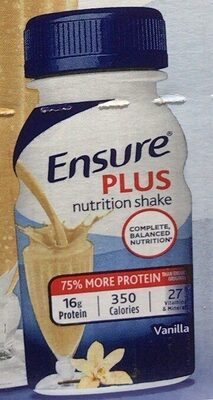
Foods that contain Vitamin D
Compare products →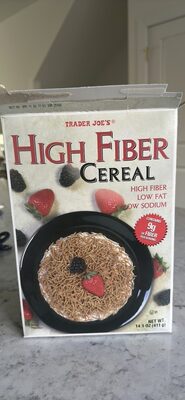
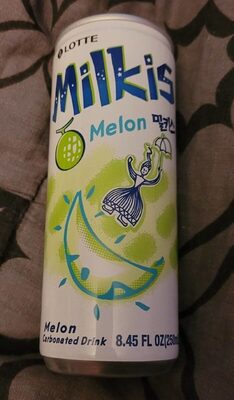
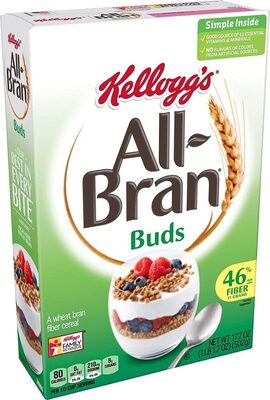
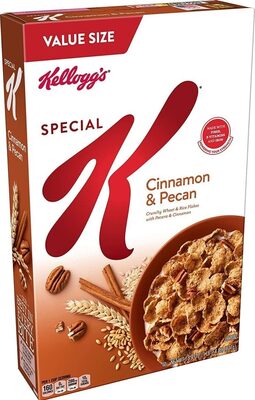

Learn more
Auto-generated content. This description was generated automatically and is pending editorial review. Inaccuracies are possible. Found a mistake? Contact us.