Palmitate
What is Palmitate?
Palmitate is a salt or ester of palmitic acid, a common saturated fatty acid found naturally in palm oil, butter, cheese, meat, and eggs. It can be produced commercially through the saponification of fats and oils or by esterification of palmitic acid. It is often used in food processing to improve texture and stability.
Is Palmitate a major allergen?
Not a major allergen.
What is Palmitate used for?
Palmitates are used as emulsifiers, stabilizers, and texturizers in a variety of food products.
Is Palmitate safe?
Palmitate is generally recognized as safe (GRAS) by the FDA for use in food.
Why it's used
Palmitates are used as emulsifiers, stabilizers, and texturizers in a variety of food products. They help blend oil and water, prevent separation, and create a smoother mouthfeel. You can find them in baked goods, cereals, dairy products, and processed snacks.
Health notes
Palmitate is generally recognized as safe (GRAS) by the FDA for use in food. It is a common component of dietary fats and is metabolized by the body. International bodies like JECFA and EFSA have evaluated related fatty acids and esters. While some research has explored the role of specific fatty acids in health, the palmitate used in food is considered safe at typical consumption levels.
Allergen info
Not a major allergen.
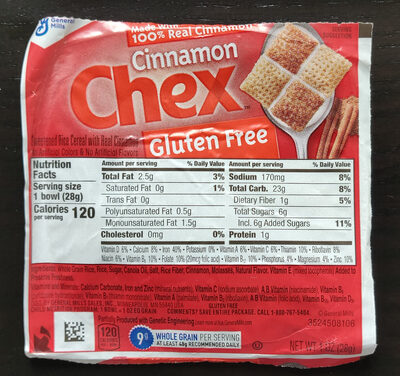
Foods that contain Palmitate
Compare products →


















Learn more
Auto-generated content. This description was generated automatically and is pending editorial review. Inaccuracies are possible. Found a mistake? Contact us.