Vitamin B12 Cyanocobalamin
What is Vitamin B12 Cyanocobalamin?
Vitamin B12, also known as cyanocobalamin, is a water-soluble vitamin essential for nerve function, red blood cell formation, and DNA synthesis. It is naturally found in animal products like meat, fish, eggs, and dairy. Industrially, it is produced through bacterial fermentation.
Is Vitamin B12 Cyanocobalamin vegan?
Vitamin B12 Cyanocobalamin is not animal-derived. Products that contain it can still include other animal-derived ingredients, so check the full ingredient list.
Is Vitamin B12 Cyanocobalamin gluten-free?
Vitamin B12 is not derived from any of the nine major allergens and does not contain gluten.
What is Vitamin B12 Cyanocobalamin used for?
Manufacturers add vitamin B12 to foods as a nutrient to fortify them, especially plant-based alternatives and cereals, to help consumers meet their daily intake needs.
Is Vitamin B12 Cyanocobalamin safe?
Vitamin B12 is generally recognized as safe (GRAS) by the FDA when used as a nutrient.
Why it's used
Manufacturers add vitamin B12 to foods as a nutrient to fortify them, especially plant-based alternatives and cereals, to help consumers meet their daily intake needs. It is commonly found in breakfast cereals, plant-based milk alternatives, energy drinks, and nutritional supplements.
Health notes
Vitamin B12 is generally recognized as safe (GRAS) by the FDA when used as a nutrient. The US National Academies have established an upper intake level for vitamin B12. JECFA and EFSA have evaluated vitamin B12 and established acceptable daily intakes. Deficiency can lead to anemia and neurological problems, but excess intake from food is not known to cause harm.
Allergen info
Vitamin B12 is not derived from any of the nine major allergens and does not contain gluten.
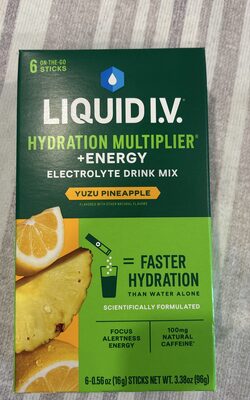
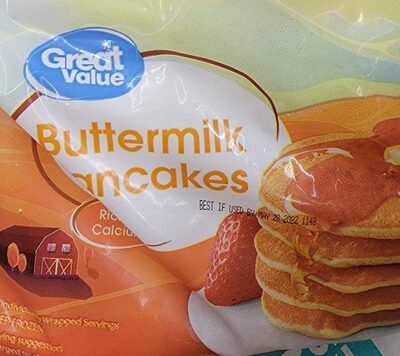
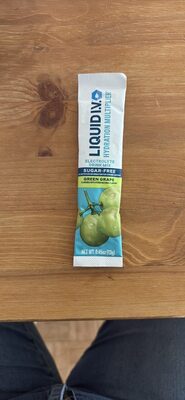
Foods that contain Vitamin B12 Cyanocobalamin
Compare products →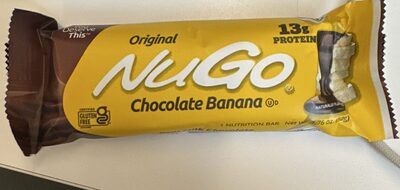

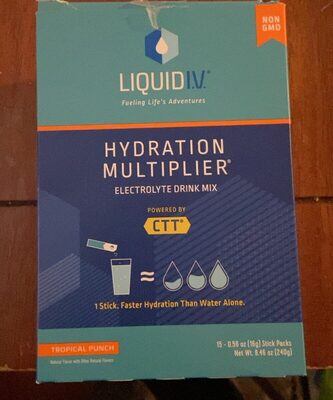
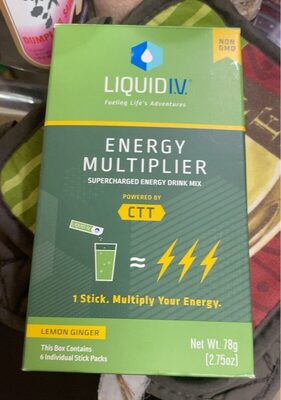
Learn more
Auto-generated content. This description was generated automatically and is pending editorial review. Inaccuracies are possible. Found a mistake? Contact us.