Vitamin B2 Folic Acid
What is Vitamin B2 Folic Acid?
Vitamin B2, also known as riboflavin, is a water-soluble vitamin that plays a key role in energy production, cell function, and metabolism. It is found naturally in foods like dairy products, eggs, and leafy green vegetables. Industrially, it can be produced through chemical synthesis or fermentation processes.
Is Vitamin B2 Folic Acid gluten-free?
It does not contain gluten.
Is Vitamin B2 Folic Acid a major allergen?
Riboflavin is not a major allergen and is not derived from any of the nine FDA major allergens.
What is Vitamin B2 Folic Acid used for?
Riboflavin is often added to foods as a nutrient supplement, particularly in fortified products like cereals, bread, and pasta.
Is Vitamin B2 Folic Acid safe?
Riboflavin is recognized as safe and effective by the FDA when used as a nutrient supplement.
Why it's used
Riboflavin is often added to foods as a nutrient supplement, particularly in fortified products like cereals, bread, and pasta. It can also act as a yellow colorant in some foods. Manufacturers add it to help consumers meet their daily vitamin B2 requirements.
Health notes
Riboflavin is recognized as safe and effective by the FDA when used as a nutrient supplement. The FDA lists riboflavin as GRAS (Generally Recognized As Safe). JECFA (Joint FAO/WHO Expert Committee on Food Additives) has evaluated riboflavin and established an Acceptable Daily Intake. It is essential for human health, and deficiency can lead to various health issues, but excess is generally excreted in urine.
Allergen info
Riboflavin is not a major allergen and is not derived from any of the nine FDA major allergens. It does not contain gluten.
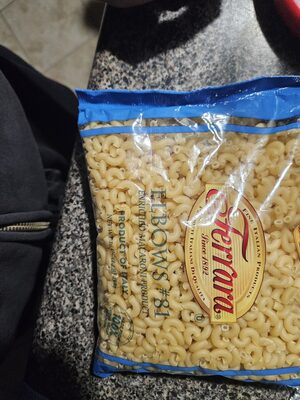
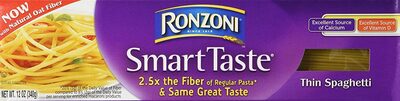
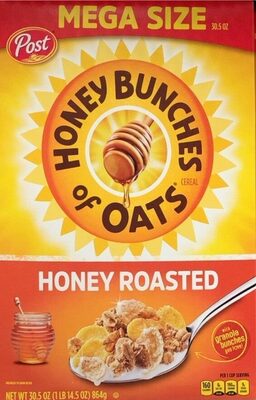
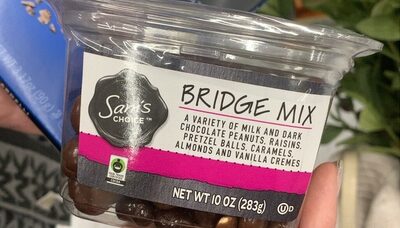
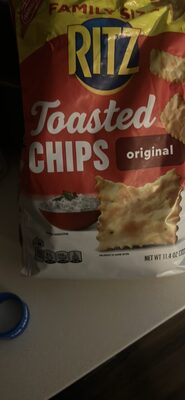
Foods that contain Vitamin B2 Folic Acid
Compare products →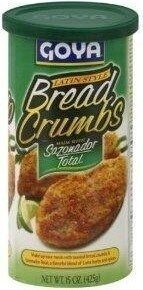






Learn more
Auto-generated content. This description was generated automatically and is pending editorial review. Inaccuracies are possible. Found a mistake? Contact us.