Vitamin D3 And Live Active Cultures
What is Vitamin D3 And Live Active Cultures?
Vitamin D3, also known as cholecalciferol, is a fat-soluble vitamin that helps the body absorb calcium. It is naturally produced in the skin when exposed to sunlight and can also be found in some foods. Live active cultures are beneficial bacteria and yeasts, often added to fermented foods like yogurt.
Is Vitamin D3 And Live Active Cultures vegan?
No. Vitamin D3 And Live Active Cultures is animal-derived, so it is not vegan.
Is Vitamin D3 And Live Active Cultures a major allergen?
Vitamin D3 is not a major allergen.
What is Vitamin D3 And Live Active Cultures used for?
Vitamin D3 is often added to foods like milk, yogurt, and cereals to help consumers meet their daily vitamin D needs.
Is Vitamin D3 And Live Active Cultures safe?
Vitamin D is essential for bone health and immune function.
Why it's used
Vitamin D3 is often added to foods like milk, yogurt, and cereals to help consumers meet their daily vitamin D needs. Live active cultures are added to yogurt and other fermented dairy products to enhance their flavor, texture, and probiotic benefits.
Health notes
Vitamin D is essential for bone health and immune function. The U.S. Food and Drug Administration (FDA) considers vitamin D a nutrient that can be added to foods. Live active cultures are generally recognized as safe (GRAS) by the FDA when used in foods. Organizations like the World Health Organization (WHO) and the European Food Safety Authority (EFSA) have evaluated the roles of vitamins and probiotics in health.
Allergen info
Vitamin D3 is not a major allergen. Live active cultures are typically derived from dairy sources (like milk), so they may not be suitable for individuals with milk allergies or lactose intolerance.
Foods that contain Vitamin D3 And Live Active Cultures
Compare products →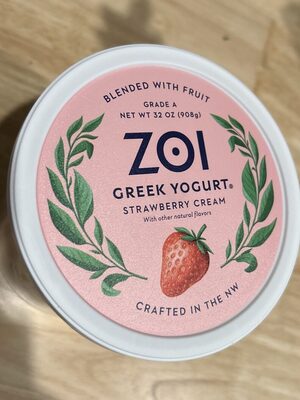 Auburn Dairy Products Inc.
Greek Yogurt, Strawberry Cream
High in saturated fat — 22% DV per serving
119kcal
6.2Protein
3.5Fat
17.2Carbs
Auburn Dairy Products Inc.
Greek Yogurt, Strawberry Cream
High in saturated fat — 22% DV per serving
119kcal
6.2Protein
3.5Fat
17.2Carbs
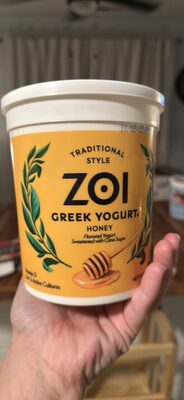 Auburn Dairy Products Inc.
Honey Traditional Style Greek Yogurt, Honey
High in saturated fat — 60% DV per serving
141kcal
4.0Protein
8.4Fat
12.8Carbs
Auburn Dairy Products Inc.
Honey Traditional Style Greek Yogurt, Honey
High in saturated fat — 60% DV per serving
141kcal
4.0Protein
8.4Fat
12.8Carbs
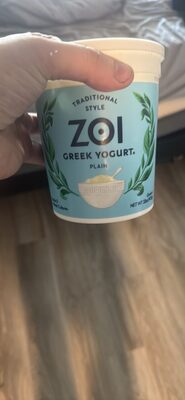 Auburn Dairy Products Inc.
Plain Traditional Style Greek Yogurt, Plain
High in saturated fat — 60% DV per serving
101kcal
4.4Protein
7.9Fat
4.8Carbs
Auburn Dairy Products Inc.
Zoi, Greek Yogurt Fruit On The Bottom, Blueberry, Blueberry
106kcal
4.1Protein
3.5Fat
16.5Carbs
Auburn Dairy Products Inc.
Yami, Organic Lowfat Yogurt, Strawberry Crush, Strawberry Crush
76kcal
3.5Protein
1.5Fat
12.9Carbs
Auburn Dairy Products Inc.
Yami, Organic Lowfat Yogurt, Peach, Peach
76kcal
3.5Protein
1.5Fat
12.9Carbs
Auburn Dairy Products Inc.
Yami, Organic Lowfat Yogurt, Raspberry Rush, Raspberry Rush
76kcal
3.5Protein
1.5Fat
12.9Carbs
Auburn Dairy Products Inc.
Zoi, Greek Nonfat Yogurt, Fruit On The Bottom, Peach, Peach
100kcal
7.1Protein
0Fat
17.1Carbs
Auburn Dairy Products Inc.
Lowfat Yogurt
71kcal
4.7Protein
1.8Fat
9.4Carbs
Auburn Dairy Products Inc.
Lactose Free-Made With Milk
82kcal
4.1Protein
1.5Fat
13.5Carbs
Auburn Dairy Products Inc.
Lactose Free-Made With Milk
82kcal
4.1Protein
1.5Fat
14.1Carbs
Auburn Dairy Products Inc.
Raspberry Greek Nonfat Yogurt, Raspberry
100kcal
7.1Protein
0Fat
17.6Carbs
Auburn Dairy Products Inc.
Plain Traditional Style Greek Yogurt, Plain
High in saturated fat — 60% DV per serving
101kcal
4.4Protein
7.9Fat
4.8Carbs
Auburn Dairy Products Inc.
Zoi, Greek Yogurt Fruit On The Bottom, Blueberry, Blueberry
106kcal
4.1Protein
3.5Fat
16.5Carbs
Auburn Dairy Products Inc.
Yami, Organic Lowfat Yogurt, Strawberry Crush, Strawberry Crush
76kcal
3.5Protein
1.5Fat
12.9Carbs
Auburn Dairy Products Inc.
Yami, Organic Lowfat Yogurt, Peach, Peach
76kcal
3.5Protein
1.5Fat
12.9Carbs
Auburn Dairy Products Inc.
Yami, Organic Lowfat Yogurt, Raspberry Rush, Raspberry Rush
76kcal
3.5Protein
1.5Fat
12.9Carbs
Auburn Dairy Products Inc.
Zoi, Greek Nonfat Yogurt, Fruit On The Bottom, Peach, Peach
100kcal
7.1Protein
0Fat
17.1Carbs
Auburn Dairy Products Inc.
Lowfat Yogurt
71kcal
4.7Protein
1.8Fat
9.4Carbs
Auburn Dairy Products Inc.
Lactose Free-Made With Milk
82kcal
4.1Protein
1.5Fat
13.5Carbs
Auburn Dairy Products Inc.
Lactose Free-Made With Milk
82kcal
4.1Protein
1.5Fat
14.1Carbs
Auburn Dairy Products Inc.
Raspberry Greek Nonfat Yogurt, Raspberry
100kcal
7.1Protein
0Fat
17.6Carbs
Learn more
Auto-generated content. This description was generated automatically and is pending editorial review. Inaccuracies are possible. Found a mistake? Contact us.