Vitamin E As Antioxidant
What is Vitamin E As Antioxidant?
Vitamin E is a group of compounds, including tocopherols and tocotrienols. It is fat-soluble and found naturally in nuts, seeds, vegetable oils, and leafy green vegetables. In food processing, it is often added as alpha-tocopherol, which can be synthesized or derived from natural sources.
Is Vitamin E As Antioxidant a major allergen?
Vitamin E itself is not a major allergen.
What is Vitamin E As Antioxidant used for?
Vitamin E is added to foods primarily as an antioxidant to prevent fats and oils from becoming rancid, which can spoil the food's flavor and smell.
Is Vitamin E As Antioxidant safe?
Vitamin E is recognized as safe and effective by the FDA when used as a nutrient or a food additive.
Why it's used
Vitamin E is added to foods primarily as an antioxidant to prevent fats and oils from becoming rancid, which can spoil the food's flavor and smell. It helps extend the shelf life of products containing fats, such as processed meats, baked goods, and snack foods.
Health notes
Vitamin E is recognized as safe and effective by the FDA when used as a nutrient or a food additive. It is an essential nutrient for human health, playing a role in immune function and cell protection. International bodies like JECFA and EFSA have evaluated Vitamin E and its derivatives. While generally considered safe, very high doses can interfere with blood clotting.
Allergen info
Vitamin E itself is not a major allergen. However, if derived from soy or wheat, it may contain traces of these allergens, which would typically be declared on the product label.
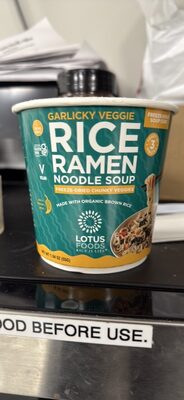
Foods that contain Vitamin E As Antioxidant
Compare products →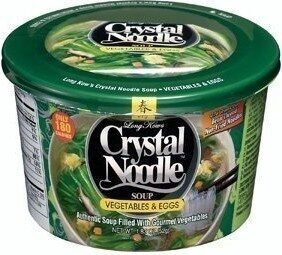
Learn more
Auto-generated content. This description was generated automatically and is pending editorial review. Inaccuracies are possible. Found a mistake? Contact us.