Vitaminc
What is Vitaminc?
Vitamin C, also known as ascorbic acid, is a water-soluble vitamin found naturally in many fruits and vegetables. It can be produced commercially through chemical synthesis, often starting with glucose derived from corn or other plant sources.
Is Vitaminc vegan?
Vitaminc is not animal-derived. Products that contain it can still include other animal-derived ingredients, so check the full ingredient list.
Is Vitaminc gluten-free?
Vitamin C is not derived from any of the nine FDA major allergens and does not contain gluten.
What is Vitaminc used for?
Manufacturers add Vitamin C to foods as an antioxidant to prevent spoilage and maintain color, and as a nutrient to fortify products.
Is Vitaminc safe?
Vitamin C is an essential nutrient for human health.
Why it's used
Manufacturers add Vitamin C to foods as an antioxidant to prevent spoilage and maintain color, and as a nutrient to fortify products. It is commonly found in beverages, breakfast cereals, baked goods, and processed fruits and vegetables.
Health notes
Vitamin C is an essential nutrient for human health. The U.S. Food and Drug Administration (FDA) recognizes Vitamin C as Generally Recognized As Safe (GRAS) when used as a nutrient or food additive. International bodies like JECFA and EFSA have evaluated Vitamin C and established guidelines for its use. Typical dietary intakes are well within safe levels.
Allergen info
Vitamin C is not derived from any of the nine FDA major allergens and does not contain gluten.
Foods that contain Vitaminc
Compare products →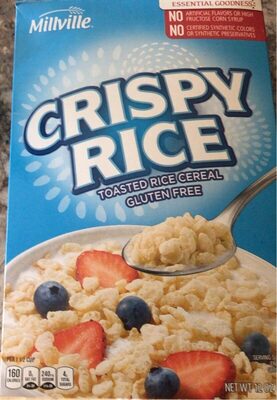
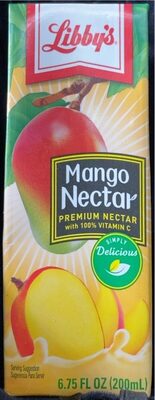
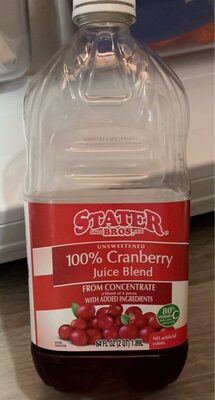
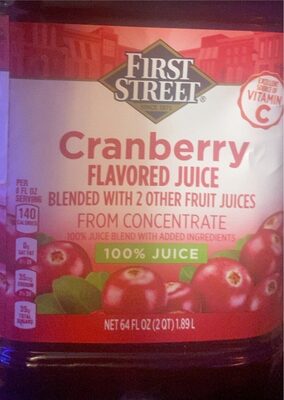
Learn more
Auto-generated content. This description was generated automatically and is pending editorial review. Inaccuracies are possible. Found a mistake? Contact us.