Vitamine B1
What is Vitamine B1?
Vitamin B1, also known as thiamine, is a water-soluble vitamin essential for carbohydrate metabolism and nerve function. It occurs naturally in whole grains, meat, and legumes. It can be synthesized for use as a food additive.
Is Vitamine B1 vegan?
Vitamine B1 is not animal-derived. Products that contain it can still include other animal-derived ingredients, so check the full ingredient list.
Is Vitamine B1 gluten-free?
Thiamine is not derived from any of the 9 FDA major allergens and does not contain gluten.
What is Vitamine B1 used for?
Thiamine is added to foods as a nutrient supplement, particularly in fortified cereals, bread, and pasta.
Is Vitamine B1 safe?
Thiamine is generally recognized as safe (GRAS) by the FDA when used as a nutrient.
Why it's used
Thiamine is added to foods as a nutrient supplement, particularly in fortified cereals, bread, and pasta. It helps restore nutrients lost during processing and ensures adequate intake for consumers.
Health notes
Thiamine is generally recognized as safe (GRAS) by the FDA when used as a nutrient. The Food and Agriculture Organization of the United Nations (FAO) and the World Health Organization (WHO) have evaluated thiamine and established guidelines for its intake. Adequate thiamine intake is crucial for preventing deficiency diseases like beriberi, though such deficiencies are rare in developed countries with fortified foods.
Allergen info
Thiamine is not derived from any of the 9 FDA major allergens and does not contain gluten.
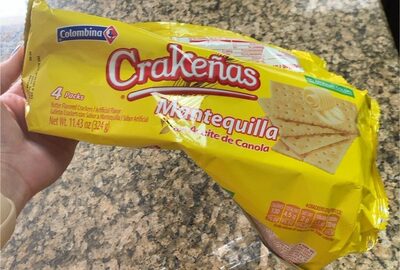
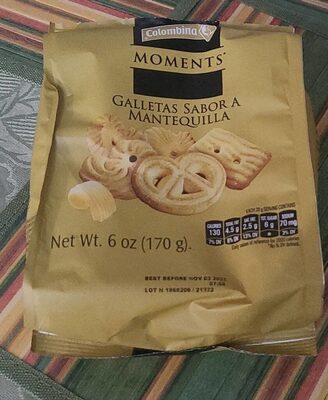
Foods that contain Vitamine B1
Compare products →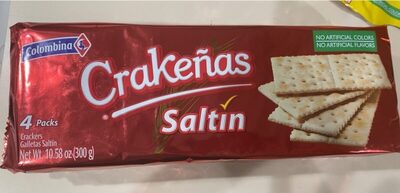

Learn more
Auto-generated content. This description was generated automatically and is pending editorial review. Inaccuracies are possible. Found a mistake? Contact us.