Vitamine B2
Auto-generated content. This description was generated automatically and is pending editorial review. Inaccuracies are possible. Found a mistake? Contact us.
What it is
Vitamin B2, also known as riboflavin, is a water-soluble vitamin that is essential for energy production, cell function, and metabolism. It occurs naturally in foods like eggs, meat, dairy products, and green vegetables. It can also be produced synthetically for use as a food additive.
Why it's used
Riboflavin is added to foods as a nutrient supplement to fortify them and help consumers meet their daily intake needs. It is commonly found in enriched grain products like bread, cereals, and pasta, as well as in some beverages and dairy products.
Health notes
Riboflavin is generally recognized as safe (GRAS) by the FDA when used as a nutrient. The Joint FAO/WHO Expert Committee on Food Additives (JECFA) has evaluated riboflavin and established an acceptable daily intake. Consuming adequate amounts of riboflavin is important for overall health, and deficiency can lead to certain health issues. Evidence does not suggest adverse effects from typical dietary intake.
Allergen info
Riboflavin is not derived from any of the 9 major allergens and does not contain gluten.
Products containing Vitamine B2
Compare products →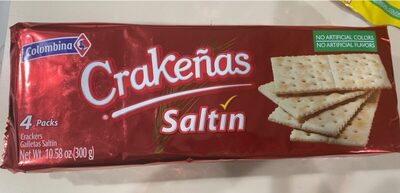 COLOMBINA
Crackers
440kcal
8Protein
8Fat
80Carbs
Skally's Old World Bakery Inc.
Bread, Blueberry
239kcal
9.7Protein
0.9Fat
48.7Carbs
Butter Flavored Crackers, Butter
481kcal
7.4Protein
16.7Fat
74.1Carbs
Maxcoco Coconut Cream Wafer Cookies
522kcal
4.3Protein
26.1Fat
69.6Carbs
COLOMBINA
Crackers
440kcal
8Protein
8Fat
80Carbs
Skally's Old World Bakery Inc.
Bread, Blueberry
239kcal
9.7Protein
0.9Fat
48.7Carbs
Butter Flavored Crackers, Butter
481kcal
7.4Protein
16.7Fat
74.1Carbs
Maxcoco Coconut Cream Wafer Cookies
522kcal
4.3Protein
26.1Fat
69.6Carbs