Wax And Dextrin
What is Wax And Dextrin?
Dextrin is a carbohydrate made from starch, typically from corn, potatoes, or wheat. It's produced by heating starch, often with acids or enzymes. Wax, in food, usually refers to edible waxes like carnauba wax or beeswax, used to provide a protective coating.
Is Wax And Dextrin gluten-free?
If derived from wheat, it would contain gluten.
Is Wax And Dextrin a major allergen?
Dextrin can be derived from wheat, which is a major allergen.
What is Wax And Dextrin used for?
Dextrin is used as a thickener, binder, or emulsifier in foods.
Is Wax And Dextrin safe?
Dextrin is generally recognized as safe (GRAS) by the FDA when used as a food ingredient.
Why it's used
Dextrin is used as a thickener, binder, or emulsifier in foods. Edible waxes are used to provide a glossy coating, prevent moisture loss, or protect surfaces, especially on fruits and candies. They are often found in confectionery, baked goods, and snack foods.
Health notes
Dextrin is generally recognized as safe (GRAS) by the FDA when used as a food ingredient. Edible waxes are also approved by the FDA for specific uses. Neither ingredient has specific upper intake limits set by regulatory bodies. JECFA has evaluated dextrin and did not specify an ADI. Evidence does not suggest adverse health effects at typical consumption levels.
Allergen info
Dextrin can be derived from wheat, which is a major allergen. If derived from wheat, it would contain gluten. Consumers with wheat or gluten allergies should check product labels.
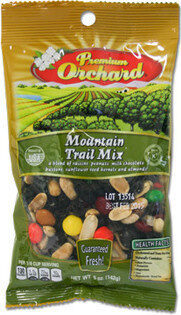
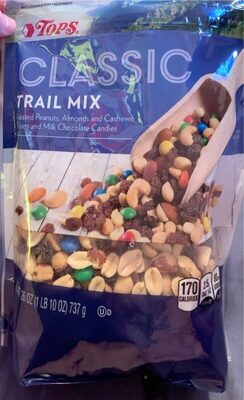
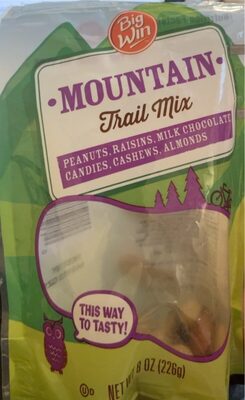
Foods that contain Wax And Dextrin
Compare products →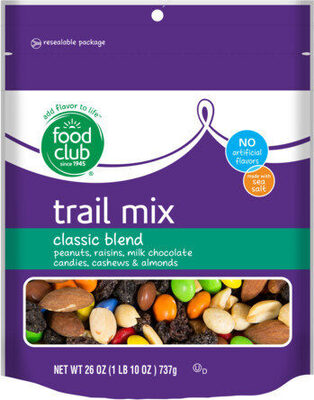
Auto-generated content. This description was generated automatically and is pending editorial review. Inaccuracies are possible. Found a mistake? Contact us.