West Coast Albacore Tuna
What is West Coast Albacore Tuna?
West Coast Albacore tuna is a type of white tuna caught off the Pacific coast of North America. It is known for its firm texture and mild flavor. The tuna is typically canned or sold as fresh or frozen steaks.
Is West Coast Albacore Tuna vegan?
No. West Coast Albacore Tuna is animal-derived, so it is not vegan.
Is West Coast Albacore Tuna gluten-free?
Gluten is not present.
Is West Coast Albacore Tuna a major allergen?
Albacore tuna is a fish, which is one of the 9 major allergens recognized by the FDA.
What is West Coast Albacore Tuna used for?
Albacore tuna is a source of protein and is often used as a main ingredient in canned tuna products like tuna salad or tuna melts.
Is West Coast Albacore Tuna safe?
Albacore tuna is a source of protein, omega-3 fatty acids, and vitamin D.
Why it's used
Albacore tuna is a source of protein and is often used as a main ingredient in canned tuna products like tuna salad or tuna melts. It can also be grilled, baked, or pan-seared.
Health notes
Albacore tuna is a source of protein, omega-3 fatty acids, and vitamin D. However, it can contain higher levels of mercury than other types of tuna, so consumption guidelines for pregnant women and young children recommend limiting intake. The FDA advises consuming 2-3 servings of lower-mercury fish per week. JECFA has evaluated mercury in fish and provides guidance on safe consumption levels.
Allergen info
Albacore tuna is a fish, which is one of the 9 major allergens recognized by the FDA. Gluten is not present.
Foods that contain West Coast Albacore Tuna
Compare products →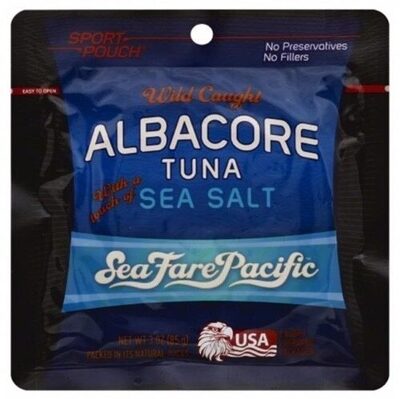
Learn more
Auto-generated content. This description was generated automatically and is pending editorial review. Inaccuracies are possible. Found a mistake? Contact us.