Wheat And Corn Starch
What is Wheat And Corn Starch?
Wheat and corn starch are both common food ingredients derived from grains. They are produced by milling wheat or corn kernels and separating the starch from other components like protein and fiber. Starch is a carbohydrate that provides energy and is used as a food additive.
Is Wheat And Corn Starch vegan?
Wheat And Corn Starch is not animal-derived. Products that contain it can still include other animal-derived ingredients, so check the full ingredient list.
Is Wheat And Corn Starch gluten-free?
Wheat starch contains gluten.
Is Wheat And Corn Starch a major allergen?
Wheat starch is derived from wheat, which is one of the 9 FDA major allergens.
What is Wheat And Corn Starch used for?
Manufacturers use wheat and corn starch primarily as thickeners and stabilizers in a wide range of foods.
Is Wheat And Corn Starch safe?
Wheat and corn starch are generally recognized as safe (GRAS) by the FDA for use in food.
Why it's used
Manufacturers use wheat and corn starch primarily as thickeners and stabilizers in a wide range of foods. They help improve texture, prevent ingredients from separating, and can also act as binders or bulking agents. You'll find them in baked goods, sauces, dressings, and processed snacks.
Health notes
Wheat and corn starch are generally recognized as safe (GRAS) by the FDA for use in food. They are a source of carbohydrates, which are a primary energy source for the body. International bodies like JECFA have evaluated starches and their derivatives. Evidence does not indicate adverse health effects from typical dietary intake.
Allergen info
Wheat starch is derived from wheat, which is one of the 9 FDA major allergens. Wheat starch contains gluten. Corn starch is not derived from one of the 9 major allergens.
Foods that contain Wheat And Corn Starch
Compare products →
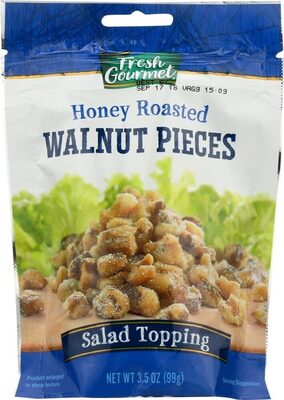
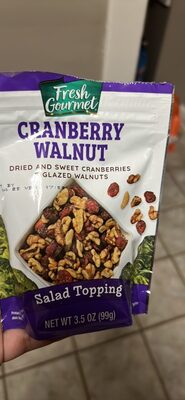
Learn more
Auto-generated content. This description was generated automatically and is pending editorial review. Inaccuracies are possible. Found a mistake? Contact us.