Wheat Niacin
What is Wheat Niacin?
Niacin, also known as Vitamin B3, is an essential nutrient vital for energy production and cellular function. It occurs naturally in foods like meat, fish, and whole grains. In the US, niacin is often added to refined grain products, such as flour, to restore nutrients lost during processing.
Is Wheat Niacin vegan?
Wheat Niacin is not animal-derived. Products that contain it can still include other animal-derived ingredients, so check the full ingredient list.
Is Wheat Niacin gluten-free?
Niacin is not related to gluten.
Is Wheat Niacin a major allergen?
Niacin itself is not a major allergen.
What is Wheat Niacin used for?
Niacin is primarily added to foods as a nutrient supplement to help consumers meet their daily requirements.
Is Wheat Niacin safe?
Niacin is generally recognized as safe (GRAS) by the FDA when used as a nutrient.
Why it's used
Niacin is primarily added to foods as a nutrient supplement to help consumers meet their daily requirements. It is commonly found in enriched grain products like bread, pasta, and cereals. It can also be used as a food additive for other purposes, such as improving texture or acting as a preservative.
Health notes
Niacin is generally recognized as safe (GRAS) by the FDA when used as a nutrient. The FDA also permits its use as a food additive. JECFA has evaluated niacin and established an acceptable daily intake. At typical dietary levels, niacin is safe and beneficial. High doses, usually from supplements, can cause side effects like skin flushing, but this is not typically seen with niacin added to foods.
Allergen info
Niacin itself is not a major allergen. However, if it is added to a product made with wheat, that product may contain wheat, which is a major allergen. Niacin is not related to gluten.
Foods that contain Wheat Niacin
Compare products →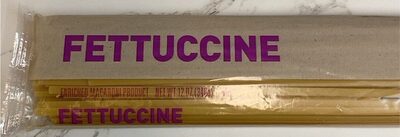
Learn more
Auto-generated content. This description was generated automatically and is pending editorial review. Inaccuracies are possible. Found a mistake? Contact us.