Whey And Deproteinized Whey
Auto-generated content. This description was generated automatically and is pending editorial review. Inaccuracies are possible. Found a mistake? Contact us.
What it is
Whey is a byproduct of cheesemaking, consisting of the liquid remaining after milk has been curdled and strained. Deproteinized whey has had most of its protein removed, leaving behind lactose, minerals, and water. It is often further processed into a powder.
Why it's used
Whey and deproteinized whey are used as ingredients to add a mild, milky flavor and to improve texture in a variety of foods. They can act as a sweetener and contribute to browning in baked goods. They are commonly found in snacks like chips and cheese puffs, as well as in baked goods and confectionery.
Health notes
Whey and deproteinized whey are generally recognized as safe (GRAS) by the FDA for use in food. They are a source of lactose and minerals. The Joint FAO/WHO Expert Committee on Food Additives (JECFA) has evaluated whey and its derivatives. Evidence does not suggest adverse health effects from typical consumption levels.
Allergen info
Whey is derived from milk, which is one of the 9 FDA major allergens. It does not contain gluten.
Products containing Whey And Deproteinized Whey
Compare products →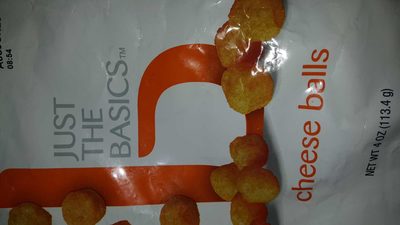 CVS Pharmacy, Inc.
Cheese Balls
571kcal
3.6Protein
35.7Fat
53.6Carbs
CVS Pharmacy, Inc.
Cheese Balls
571kcal
3.6Protein
35.7Fat
53.6Carbs
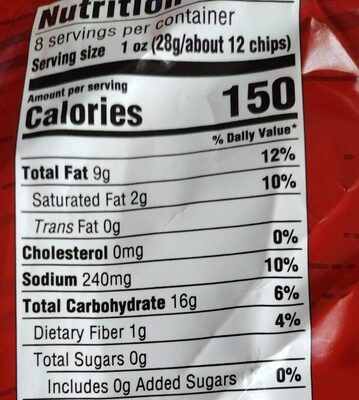 The Moran Group Incorporated
Loaded Bacon & Cheddar Flavored Potato Chips, Loaded Bacon & Cheddar
536kcal
3.6Protein
32.1Fat
57.1Carbs
The Moran Group Incorporated
Loaded Bacon & Cheddar Potato Chip, Loaded Bacon & Cheddar
536kcal
3.6Protein
32.1Fat
57.1Carbs
The Moran Group Incorporated
Loaded Bacon & Cheddar Flavored Potato Chips, Loaded Bacon & Cheddar
536kcal
3.6Protein
32.1Fat
57.1Carbs
The Moran Group Incorporated
Loaded Bacon & Cheddar Potato Chip, Loaded Bacon & Cheddar
536kcal
3.6Protein
32.1Fat
57.1Carbs