Whey Protein Concentrate And Pectin
Auto-generated content. This description was generated automatically and is pending editorial review. Inaccuracies are possible. Found a mistake? Contact us.
What it is
Whey protein concentrate (WPC) is a protein-rich powder made from whey, a byproduct of cheese production. Pectin is a natural carbohydrate found in the cell walls of fruits and vegetables, commonly extracted from citrus peels or apple pomace. Both are often processed into powders for food use.
Why it's used
Manufacturers add WPC for its protein content and emulsifying properties, often in protein bars, shakes, and dairy products. Pectin is primarily used as a gelling agent, thickener, and stabilizer in jams, jellies, yogurts, and desserts.
Health notes
Whey protein concentrate is generally recognized as safe (GRAS) by the FDA. Pectin is also GRAS and is recognized for its soluble fiber content, which may aid digestion. JECFA has evaluated both ingredients. Evidence does not suggest adverse health effects from typical dietary intakes.
Allergen info
Whey protein concentrate is derived from milk, which is one of the 9 major allergens. Pectin is not a major allergen.
Products containing Whey Protein Concentrate And Pectin
Compare products →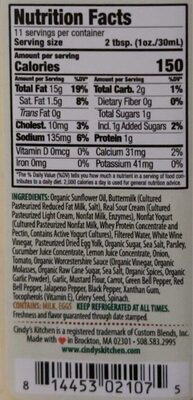 Custom Blends, Inc.
Buttermilk Ranch Dressing & Dip, Buttermilk Ranch
500kcal
3.3Protein
50Fat
6.7Carbs
Custom Blends, Inc.
Buttermilk Ranch Dressing & Dip, Buttermilk Ranch
500kcal
3.3Protein
50Fat
6.7Carbs
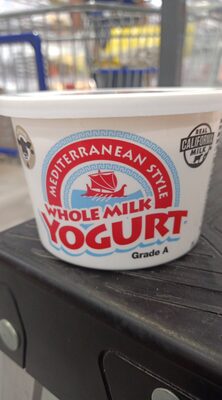 Karoun Dairies Inc.
Mediterranean Style Whole Milk Yogurt, Mediterranean Style
High in saturated fat — 25% DV per serving
76kcal
4.7Protein
—Fat
4.1Carbs
Karoun Dairies Inc.
Mediterranean Style Whole Milk Yogurt, Mediterranean Style
High in saturated fat — 25% DV per serving
76kcal
4.7Protein
—Fat
4.1Carbs
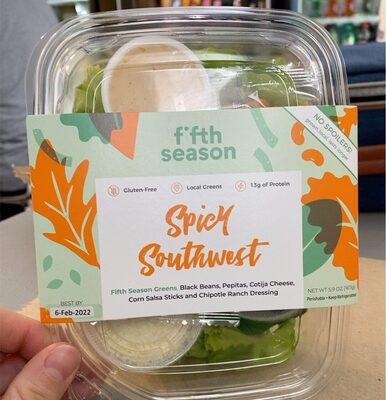 RoBotany Ltd.
Spicy Southwest Salad Kit
High in saturated fat — 23% DV per serving
158kcal
8.6Protein
7.9Fat
12.9Carbs
Custom Blends, Inc.
Tuscan Gorgonzola Rich & Creamy Dip, Tuscan Gorgonzola
429kcal
7.1Protein
39.3Fat
7.1Carbs
RoBotany Ltd.
Spicy Southwest Salad Kit
High in saturated fat — 23% DV per serving
158kcal
8.6Protein
7.9Fat
12.9Carbs
Custom Blends, Inc.
Tuscan Gorgonzola Rich & Creamy Dip, Tuscan Gorgonzola
429kcal
7.1Protein
39.3Fat
7.1Carbs