White Coating
What is White Coating?
White coating is a confectionary product used for enrobing and decorating. It is typically made from sugar, vegetable oils (such as palm kernel oil), and milk solids, often with added flavorings like vanilla. Unlike white chocolate, it does not contain cocoa butter.
Is White Coating vegan?
No. White Coating is animal-derived, so it is not vegan.
Is White Coating a major allergen?
This product commonly contains milk.
What is White Coating used for?
Manufacturers use white coating to provide a smooth, sweet, and often vanilla-flavored white layer on various food items.
Is White Coating safe?
White coating is composed of several ingredients, such as sugar, vegetable fats, and milk solids, which are regulated by the FDA as generally recognized as safe (GRAS) or approved food additives.
Why it's used
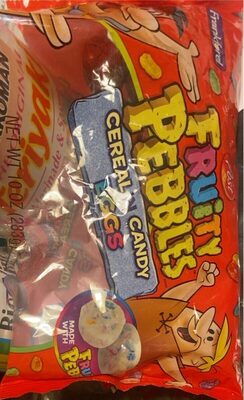
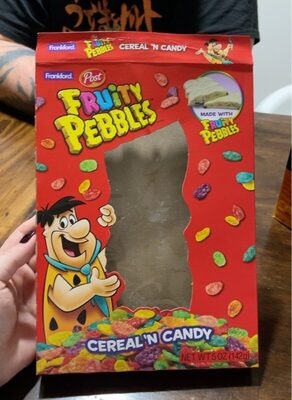
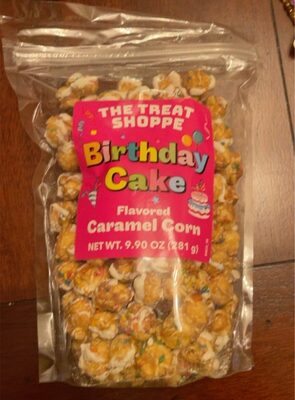
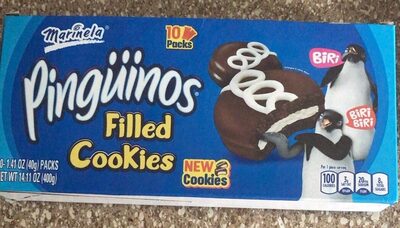
Manufacturers use white coating to provide a smooth, sweet, and often vanilla-flavored white layer on various food items. It is commonly applied to cookies, pretzels, popcorn, candies, and truffles, where it melts easily and sets quickly to form a firm coating.
Health notes
White coating is composed of several ingredients, such as sugar, vegetable fats, and milk solids, which are regulated by the FDA as generally recognized as safe (GRAS) or approved food additives. As a food product, it is a source of calories, added sugars, and fats. The Dietary Guidelines for Americans (2025-2030) recommend consuming no amount of added sugars. While some older formulations might have contained partially hydrogenated oils (PHOs), which are no longer considered GRAS by the FDA since 2018, most modern white coatings use other types of vegetable fats.
Allergen info
This product commonly contains milk. Depending on the formulation, it may also contain soy (e.g., from soy lecithin).
Foods that contain White Coating
Compare products →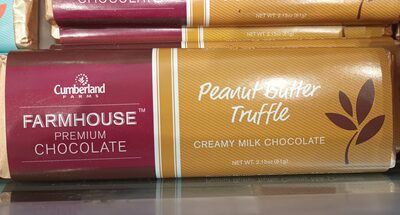
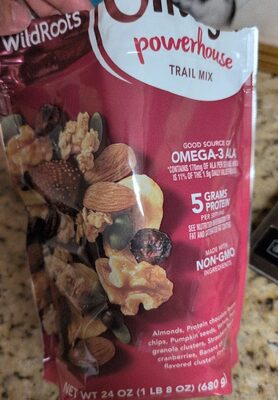
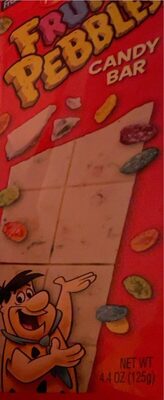
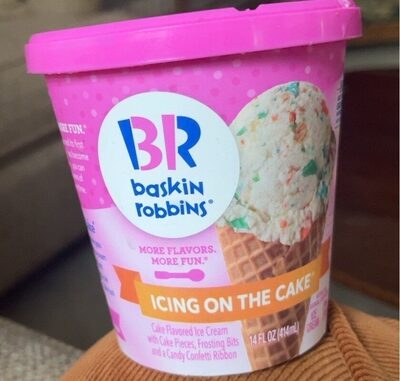
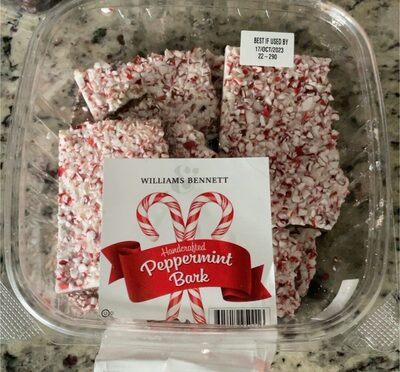


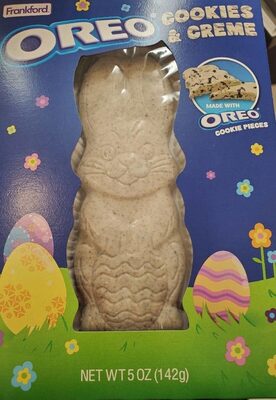


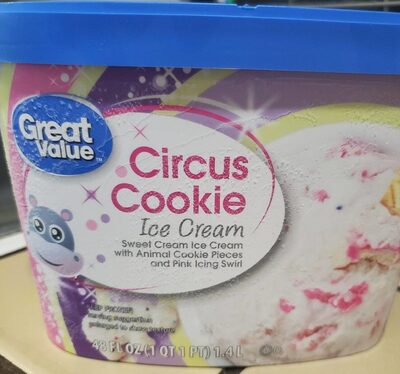



Auto-generated content. This description was generated automatically and is pending editorial review. Inaccuracies are possible. Found a mistake? Contact us.