White Turkey
What is White Turkey?
White turkey is meat from the breast and thigh muscles of a turkey. It is a lean protein source, often sold fresh, frozen, or processed into deli meats and other products. The meat is typically cooked before consumption.
Is White Turkey vegan?
No. White Turkey is animal-derived, so it is not vegan.
Is White Turkey gluten-free?
It does not contain gluten.
Is White Turkey a major allergen?
White turkey is not one of the nine major allergens identified by the FDA.
What is White Turkey used for?
White turkey is used as a primary protein ingredient in a wide variety of prepared foods.
Is White Turkey safe?
White turkey is recognized as a source of protein and other nutrients.
Why it's used
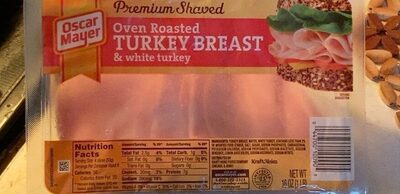
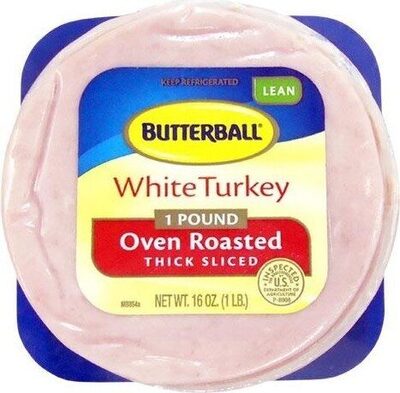
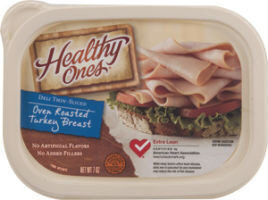
White turkey is used as a primary protein ingredient in a wide variety of prepared foods. It is commonly found in deli meats like turkey breast, bacon, and ham, as well as in frozen meals, sandwiches, and salads.
Health notes
White turkey is recognized as a source of protein and other nutrients. The U.S. Food and Drug Administration (FDA) lists turkey as Generally Recognized As Safe (GRAS) for consumption. International bodies like the Joint FAO/WHO Expert Committee on Food Additives (JECFA) and the European Food Safety Authority (EFSA) have evaluated turkey products, but they do not set specific limits for whole foods like turkey. Typical consumption of white turkey as part of a balanced diet is not associated with adverse health effects.
Allergen info
White turkey is not one of the nine major allergens identified by the FDA. It does not contain gluten.
Foods that contain White Turkey
Compare products →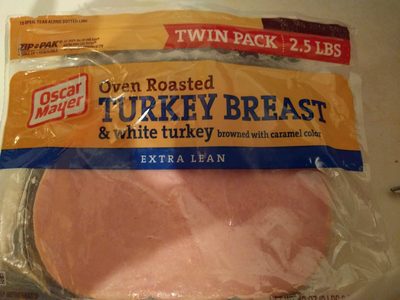
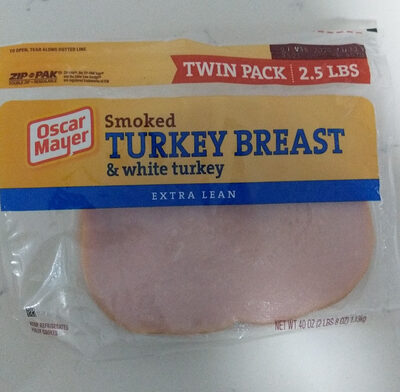
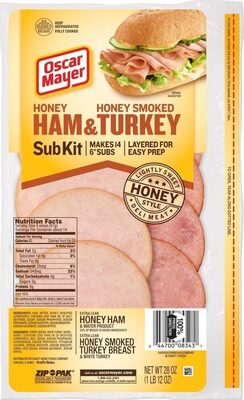
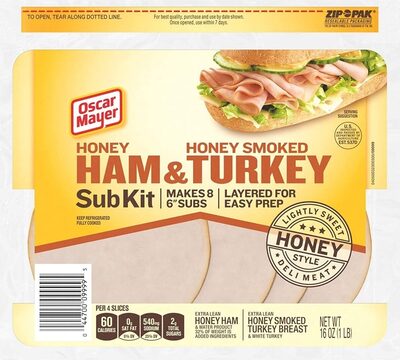



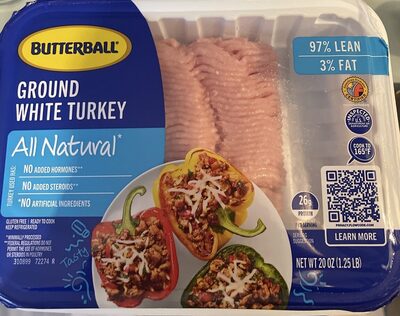
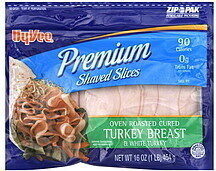
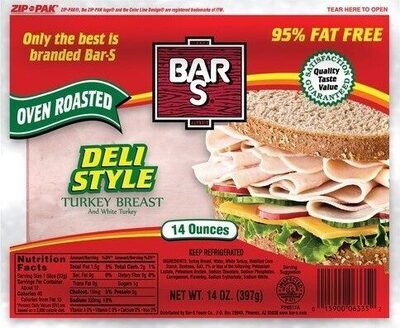




Learn more
Auto-generated content. This description was generated automatically and is pending editorial review. Inaccuracies are possible. Found a mistake? Contact us.