Whole Grain Organic Buckwheat
Auto-generated content. This description was generated automatically and is pending editorial review. Inaccuracies are possible. Found a mistake? Contact us.
What it is
Buckwheat is not a type of wheat but a pseudocereal, meaning it is a seed consumed like a grain. It is native to Europe and Asia and is grown for its edible seeds, which are typically ground into flour or cooked whole. The plant produces small, triangular seeds that are harvested and processed.
Why it's used
Buckwheat flour is used in baking to create pancakes, noodles, and bread, often providing a nutty flavor and denser texture. Whole buckwheat groats can be cooked as a porridge or added to savory dishes, acting as a hearty grain component. It is also found in some frozen appetizers and cereals.
Health notes
Buckwheat is recognized as a whole grain and a source of nutrients. Regulatory bodies like the FDA do not typically evaluate whole grains like buckwheat as additives. International bodies such as EFSA have evaluated buckwheat and its components. Research suggests that whole grains, including buckwheat, are part of a healthy diet, but specific health claims require careful review of scientific evidence.
Allergen info
Buckwheat is not a major allergen and does not contain gluten. It is unrelated to wheat and other gluten-containing grains.
Products containing Whole Grain Organic Buckwheat
Compare products →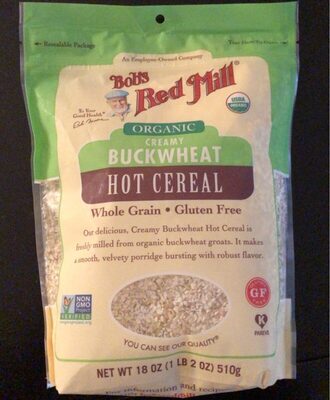 Bob's Red Mill Natural Foods, Inc.
Creamy Buckwheat Hot Cereal, Creamy Buckwheat
364kcal
6.8Protein
0Fat
79.5Carbs
Bob's Red Mill Natural Foods, Inc.
Creamy Buckwheat Hot Cereal, Creamy Buckwheat
364kcal
6.8Protein
0Fat
79.5Carbs
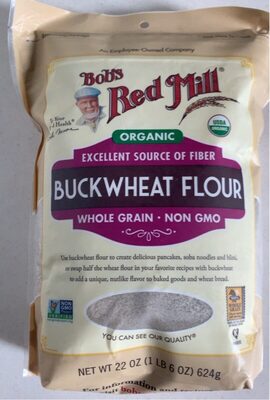 Bob's Red Mill Natural Foods, Inc.
Whole Grain Buckwheat Flour, Whole Grain
378kcal
10.8Protein
1.4Fat
78.4Carbs
Bob's Red Mill Natural Foods, Inc.
Whole Grain Buckwheat Flour, Whole Grain
378kcal
10.8Protein
1.4Fat
78.4Carbs