Whole Grain Teff Seeds
Auto-generated content. This description was generated automatically and is pending editorial review. Inaccuracies are possible. Found a mistake? Contact us.
What it is
Teff is a tiny, ancient grain native to northeastern Africa, particularly Ethiopia. It is a staple food in that region, often ground into flour for injera, a sourdough-like flatbread. The seeds are also consumed whole, cooked like porridge or added to baked goods.
Why it's used
Manufacturers use teff flour and seeds for their nutty flavor and nutritional content. They are often found in gluten-free products like breads, muffins, and cookies, as well as in hot cereals and energy bars. Teff contributes fiber and protein to foods.
Health notes
Teff is generally recognized as safe (GRAS) by the FDA for use in food. It is a good source of fiber, iron, and calcium. Peer-reviewed reviews suggest that whole grains like teff can be part of a healthy diet. The Joint FAO/WHO Expert Committee on Food Additives (JECFA) has evaluated teff, but did not set a numeric acceptable daily intake (ADI).
Allergen info
Teff is not one of the nine major allergens. It is naturally gluten-free, making it a suitable option for individuals with celiac disease or gluten sensitivity.
Products containing Whole Grain Teff Seeds
Compare products →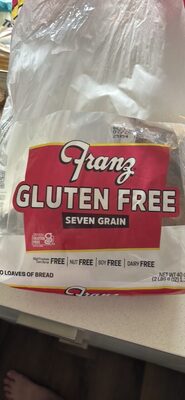 United States Bakery
Gluten Free 7 Grain Bread, 7 Grain
225kcal
5Protein
3.8Fat
42.5Carbs
Wal-Mart Stores, Inc.
Multigrain Gluten Free Bread
222kcal
5.6Protein
2.8Fat
44.4Carbs
United States Bakery
Gluten Free 7 Grain Bread, 7 Grain
225kcal
5Protein
3.8Fat
42.5Carbs
Wal-Mart Stores, Inc.
Multigrain Gluten Free Bread
222kcal
5.6Protein
2.8Fat
44.4Carbs
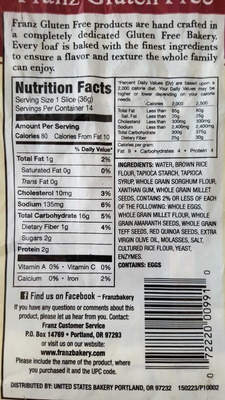 United States Bakery
Bread
222kcal
5.6Protein
4.2Fat
44.4Carbs
United States Bakery
Bread
222kcal
5.6Protein
4.2Fat
44.4Carbs
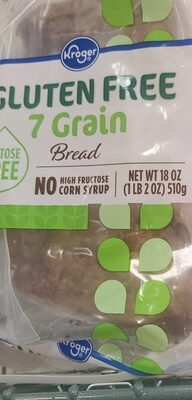 The Kroger Co.
7 Grain Bread, 7 Grain
222kcal
5.6Protein
4.2Fat
44.4Carbs
The Kroger Co.
7 Grain Bread, 7 Grain
222kcal
5.6Protein
4.2Fat
44.4Carbs