Whole Milk Skyr
What is Whole Milk Skyr?
Skyr is a cultured dairy product that originated in Iceland. It is made from skimmed cow's milk, similar to yogurt, but uses a different bacterial starter culture. The resulting product is strained to remove whey, giving it a thicker consistency and a tangy flavor.
Is Whole Milk Skyr vegan?
No. Whole Milk Skyr is animal-derived, so it is not vegan.
Is Whole Milk Skyr gluten-free?
It does not contain gluten.
Is Whole Milk Skyr a major allergen?
Skyr is derived from milk, which is one of the FDA's nine major allergens.
What is Whole Milk Skyr used for?
Skyr is often used as a protein-rich alternative to yogurt in breakfast bowls, smoothies, and as a base for dips and sauces.
Is Whole Milk Skyr safe?
Skyr is generally recognized as safe (GRAS) by the FDA as a food ingredient.
Why it's used
Skyr is often used as a protein-rich alternative to yogurt in breakfast bowls, smoothies, and as a base for dips and sauces. Manufacturers use it for its creamy texture, high protein content, and slightly tart taste, which can add complexity to sweet and savory dishes.
Health notes
Skyr is generally recognized as safe (GRAS) by the FDA as a food ingredient. It is a good source of protein and calcium. International bodies like JECFA have evaluated similar cultured dairy products. Evidence does not suggest adverse health effects from consuming skyr in typical amounts as part of a balanced diet.
Allergen info
Skyr is derived from milk, which is one of the FDA's nine major allergens. It does not contain gluten.
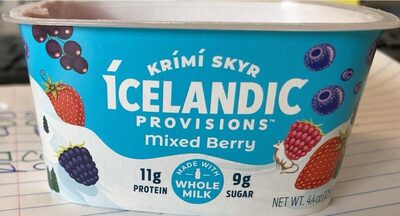
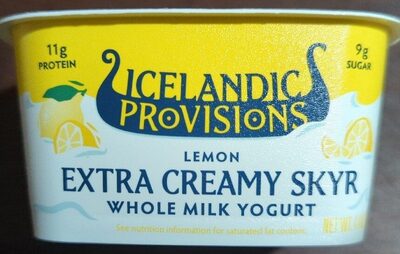
Foods that contain Whole Milk Skyr
Compare products →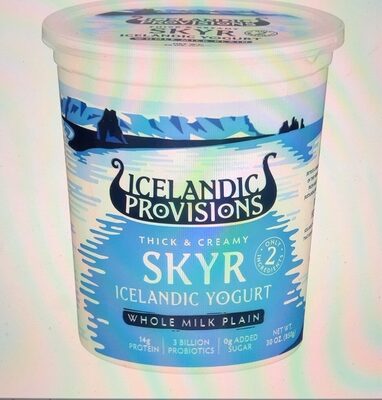



Learn more
Auto-generated content. This description was generated automatically and is pending editorial review. Inaccuracies are possible. Found a mistake? Contact us.