Whole Salted Eggs
Auto-generated content. This description was generated automatically and is pending editorial review. Inaccuracies are possible. Found a mistake? Contact us.
What it is
Whole salted eggs are a food ingredient made from chicken eggs that have been mixed with salt. This process helps preserve the eggs and can also affect their texture and flavor. They are typically processed into a liquid or dried powder form for use in manufacturing.
Why it's used
Manufacturers add whole salted eggs primarily for their emulsifying and binding properties, which help blend ingredients and provide structure. They also contribute flavor, richness, and color to food products. They are commonly found in dressings, mayonnaise, sauces, and some baked goods.
Health notes
Eggs are a whole food, not regulated as a food additive by the FDA. They are a source of protein and fat, and whole salted eggs will contribute sodium to the diet due to the added salt. The FDA recommends limiting sodium intake to 2,300 mg per day. JECFA and EFSA do not typically evaluate whole foods like eggs as food additives.
Allergen info
Eggs are one of the nine major food allergens identified by the FDA.
Products containing Whole Salted Eggs
Compare products →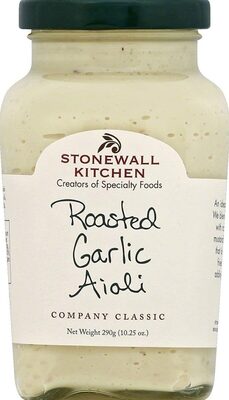 Stonewall Kitchen Ltd.
Aiali, Roasted Garlic
600kcal
0Protein
66.7Fat
6.7Carbs
Stonewall Kitchen Ltd.
Horseradish Aioli
600kcal
0Protein
66.7Fat
0Carbs
Stonewall Kitchen Ltd.
Lemon Herb Aioli
600kcal
0Protein
66.7Fat
6.7Carbs
Stonewall Kitchen Ltd.
Smoky Barbecue Aioli
625kcal
0Protein
62.5Fat
6.2Carbs
Stonewall Kitchen Ltd.
Aiali, Roasted Garlic
600kcal
0Protein
66.7Fat
6.7Carbs
Stonewall Kitchen Ltd.
Horseradish Aioli
600kcal
0Protein
66.7Fat
0Carbs
Stonewall Kitchen Ltd.
Lemon Herb Aioli
600kcal
0Protein
66.7Fat
6.7Carbs
Stonewall Kitchen Ltd.
Smoky Barbecue Aioli
625kcal
0Protein
62.5Fat
6.2Carbs
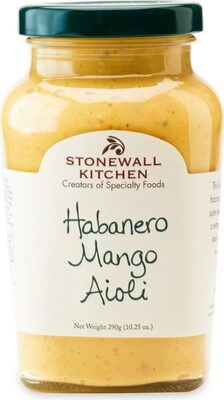 Stonewall Kitchen Ltd.
Stonewall Kitchen, Habanero Mango Aioli
600kcal
0Protein
66.7Fat
6.7Carbs
Stonewall Kitchen Ltd.
Stonewall Kitchen, Habanero Mango Aioli
600kcal
0Protein
66.7Fat
6.7Carbs