Wild Sockeye Salmon
What is Wild Sockeye Salmon?
Wild sockeye salmon is a type of Pacific salmon known for its vibrant red flesh and rich flavor. It is an anadromous fish, meaning it lives in both freshwater and saltwater, and is primarily found in the North Pacific Ocean and its tributaries. It is harvested wild from natural populations.
Is Wild Sockeye Salmon vegan?
No. Wild Sockeye Salmon is animal-derived, so it is not vegan.
Is Wild Sockeye Salmon gluten-free?
It does not contain gluten.
Is Wild Sockeye Salmon a major allergen?
Wild sockeye salmon is a fish, which is one of the 9 major allergens recognized by the FDA.
What is Wild Sockeye Salmon used for?
Wild sockeye salmon is primarily used as a food ingredient, valued for its distinct taste and nutritional profile.
Is Wild Sockeye Salmon safe?
Wild sockeye salmon is a source of high-quality protein, omega-3 fatty acids, and various vitamins and minerals.
Why it's used
Wild sockeye salmon is primarily used as a food ingredient, valued for its distinct taste and nutritional profile. It is commonly found in smoked salmon products, seafood dishes like gumbo and chowder, and as a standalone frozen or fresh seafood item.
Health notes
Wild sockeye salmon is a source of high-quality protein, omega-3 fatty acids, and various vitamins and minerals. The U.S. Food and Drug Administration (FDA) considers fish to be a major food allergen. International bodies like the Joint FAO/WHO Expert Committee on Food Additives (JECFA) and the European Food Safety Authority (EFSA) have evaluated fish and fish oil for safety, generally recognizing them as safe when consumed as food. Concerns sometimes arise regarding mercury levels in certain fish, though sockeye salmon is typically lower in mercury compared to larger predatory fish.
Allergen info
Wild sockeye salmon is a fish, which is one of the 9 major allergens recognized by the FDA. It does not contain gluten.
Foods that contain Wild Sockeye Salmon
Compare products →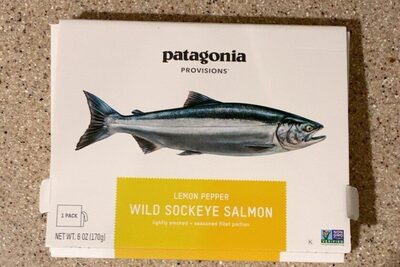
Learn more
Auto-generated content. This description was generated automatically and is pending editorial review. Inaccuracies are possible. Found a mistake? Contact us.