Yeast And Barley Malt
What is Yeast And Barley Malt?
Yeast is a single-celled microorganism used in baking and brewing. Barley malt is made from sprouted barley grains that have been dried and roasted. Together, they contribute flavor and leavening properties to baked goods.
Is Yeast And Barley Malt vegan?
Yeast And Barley Malt is not animal-derived. Products that contain it can still include other animal-derived ingredients, so check the full ingredient list.
Is Yeast And Barley Malt gluten-free?
Barley is a grain that contains gluten.
What is Yeast And Barley Malt used for?
Yeast and barley malt are often used together in bread and bagel production.
Is Yeast And Barley Malt safe?
Yeast and barley malt are generally recognized as safe (GRAS) by the FDA for use in food.
Why it's used
Yeast and barley malt are often used together in bread and bagel production. Yeast acts as a leavening agent, causing dough to rise by producing carbon dioxide gas. Barley malt provides a slightly sweet flavor and helps to improve crust color and texture.
Health notes
Yeast and barley malt are generally recognized as safe (GRAS) by the FDA for use in food. They are common ingredients in many baked goods and are consumed by many people without adverse effects. Regulatory bodies like JECFA and EFSA have evaluated yeast and malt extracts, generally considering them safe when used as intended. There are no widespread controversies regarding their use in typical food amounts.
Allergen info
Barley is a grain that contains gluten. Therefore, products containing barley malt are not gluten-free and may be unsuitable for individuals with celiac disease or gluten sensitivity. Wheat is also a major allergen, and while not directly stated here, cross-contamination or co-ingredients are possible.
Foods that contain Yeast And Barley Malt
Compare products →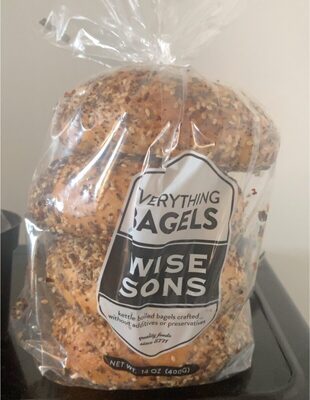 Wise Sons Delicatessen
Everything Bagels, Everything
High in sodium — 44% DV per serving
330kcal
9Protein
5Fat
62Carbs
Wise Sons Delicatessen
Everything Bagels, Everything
High in sodium — 44% DV per serving
330kcal
9Protein
5Fat
62Carbs
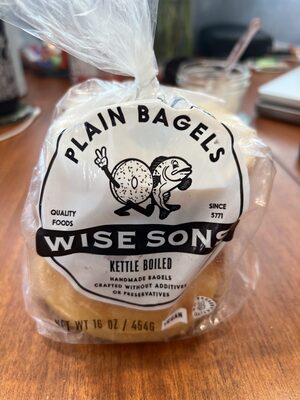 Wise Sons Delicatessen
Plain Bagels, Plain
High in sodium — 25% DV per serving
284kcal
7.4Protein
1.1Fat
59.0Carbs
Wise Sons Delicatessen
Assorted Bagels, Assorted
High in sodium — 25% DV per serving
320kcal
9Protein
6Fat
58Carbs
Wise Sons Delicatessen
Plain Bagels, Plain
High in sodium — 25% DV per serving
284kcal
7.4Protein
1.1Fat
59.0Carbs
Wise Sons Delicatessen
Assorted Bagels, Assorted
High in sodium — 25% DV per serving
320kcal
9Protein
6Fat
58Carbs
Learn more
Auto-generated content. This description was generated automatically and is pending editorial review. Inaccuracies are possible. Found a mistake? Contact us.