Yeast Xanthan Gum
What is Yeast Xanthan Gum?
Xanthan gum is a polysaccharide, a type of carbohydrate, produced by the fermentation of sugars by the bacterium Xanthomonas campestris. It is a white to cream-colored powder that is soluble in water.
Is Yeast Xanthan Gum vegan?
Yeast Xanthan Gum is not animal-derived. Products that contain it can still include other animal-derived ingredients, so check the full ingredient list.
Is Yeast Xanthan Gum gluten-free?
Xanthan gum is not derived from any of the 9 major allergens and does not contain gluten.
What is Yeast Xanthan Gum used for?
Manufacturers add xanthan gum to foods as a thickener and stabilizer.
Is Yeast Xanthan Gum safe?
Xanthan gum is generally recognized as safe (GRAS) by the U.S. Food and Drug Administration (FDA) for use in food.
Why it's used
Manufacturers add xanthan gum to foods as a thickener and stabilizer. It helps to improve the texture and consistency of products like sauces, dressings, baked goods, and dairy alternatives.
Health notes
Xanthan gum is generally recognized as safe (GRAS) by the U.S. Food and Drug Administration (FDA) for use in food. It is not metabolized by the body and passes through undigested. International bodies like JECFA and EFSA have evaluated xanthan gum and found it to be safe for consumption at typical levels. There are no major controversies or significant health concerns associated with its use in food.
Allergen info
Xanthan gum is not derived from any of the 9 major allergens and does not contain gluten.
Foods that contain Yeast Xanthan Gum
Compare products →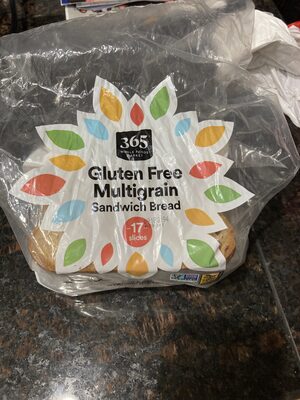
Learn more
Auto-generated content. This description was generated automatically and is pending editorial review. Inaccuracies are possible. Found a mistake? Contact us.