Yellow Beeswax
What is Yellow Beeswax?
Yellow beeswax is a natural wax produced by honey bees. It is secreted from wax glands on the bees' abdomens and used to build the honeycomb. After honey is harvested, the beeswax is collected, cleaned, and often filtered to remove impurities.
Is Yellow Beeswax vegan?
No. Yellow Beeswax is animal-derived, so it is not vegan.
Is Yellow Beeswax gluten-free?
It does not contain gluten.
Is Yellow Beeswax a major allergen?
Yellow beeswax is not derived from any of the nine major allergens.
What is Yellow Beeswax used for?
Beeswax is used in food as a glazing or coating agent, often to give products a shiny appearance or to help prevent moisture loss.
Is Yellow Beeswax safe?
Yellow beeswax is generally recognized as safe (GRAS) by the FDA for use in food.
Why it's used
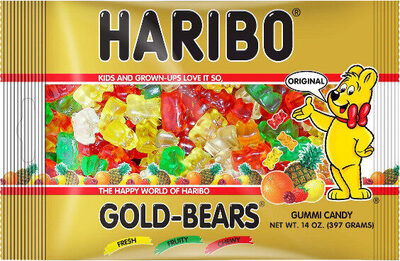
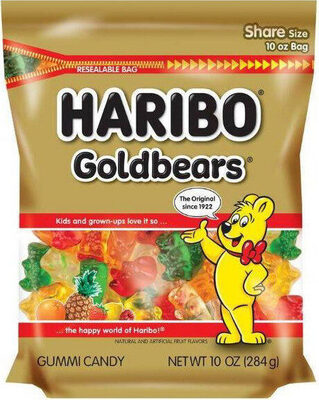
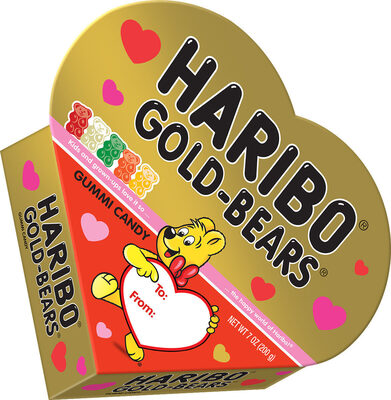
Beeswax is used in food as a glazing or coating agent, often to give products a shiny appearance or to help prevent moisture loss. It can also act as a firming agent. It is commonly found in candies, baked goods like cookies, and some fruits and vegetables.
Health notes
Yellow beeswax is generally recognized as safe (GRAS) by the FDA for use in food. Regulatory bodies like JECFA have evaluated beeswax and established acceptable daily intake levels. At typical consumption levels, it is not associated with adverse health effects. Evidence does not suggest significant health concerns for most people.
Allergen info
Yellow beeswax is not derived from any of the nine major allergens. It does not contain gluten.
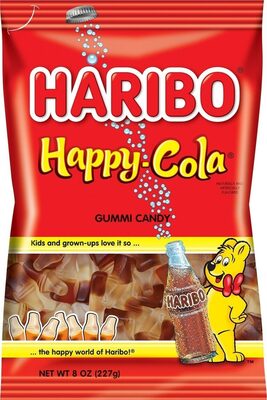
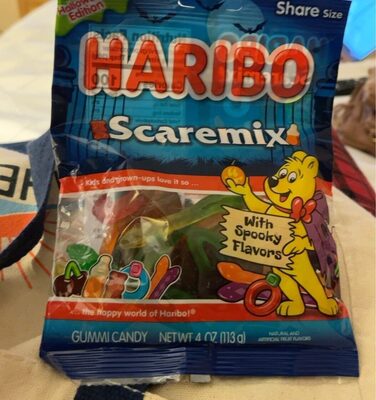
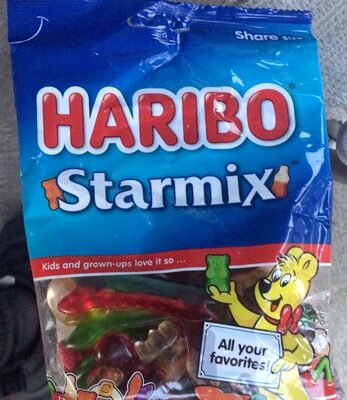
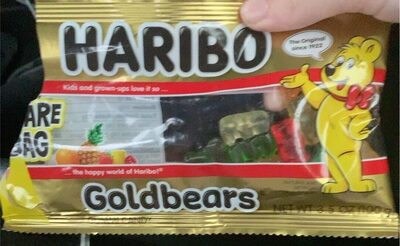
Foods that contain Yellow Beeswax
Compare products →




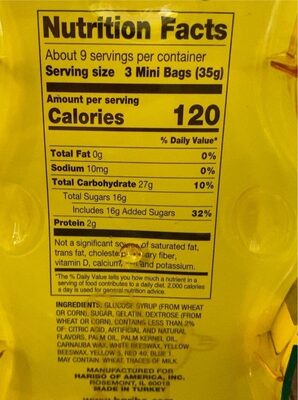

Auto-generated content. This description was generated automatically and is pending editorial review. Inaccuracies are possible. Found a mistake? Contact us.