Yellowtail
What is Yellowtail?
Yellowtail is a type of fish, also known as Japanese amberjack or buri. It is a saltwater fish found in the Pacific Ocean, commonly caught off the coasts of Japan and the United States. Yellowtail is often consumed fresh, raw in sushi and sashimi, or cooked.
Is Yellowtail vegan?
No. Yellowtail is animal-derived, so it is not vegan.
Is Yellowtail a major allergen?
Yellowtail is a fish, which is one of the 9 major allergens recognized by the FDA.
What is Yellowtail used for?
Yellowtail is primarily used as a food ingredient, valued for its rich, buttery flavor and firm texture.
Is Yellowtail safe?
Yellowtail is a source of protein and omega-3 fatty acids.
Why it's used
Yellowtail is primarily used as a food ingredient, valued for its rich, buttery flavor and firm texture. It is a popular choice for sushi and sashimi preparations, and can also be grilled, broiled, or pan-seared. It is also canned or smoked for preservation and added flavor.
Health notes
Yellowtail is a source of protein and omega-3 fatty acids. As a fish, it can contain mercury, and the FDA advises certain groups, such as pregnant women and young children, to limit consumption of fish with higher mercury levels. The FDA has not set specific limits for yellowtail consumption. Like all fish, it is a natural food source and does not have artificial additives that require regulatory evaluation in the same way as processed ingredients.
Allergen info
Yellowtail is a fish, which is one of the 9 major allergens recognized by the FDA. Consumers with a fish allergy should avoid it.
Foods that contain Yellowtail
Compare products →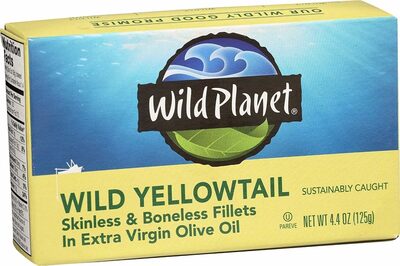
Learn more
Auto-generated content. This description was generated automatically and is pending editorial review. Inaccuracies are possible. Found a mistake? Contact us.