Zero Trans Fat Margarine
What is Zero Trans Fat Margarine?
Margarine is a butter substitute made primarily from vegetable oils. "Zero Trans Fat" indicates that the product has been processed to remove artificial trans fats, which were common in older margarines. This is often achieved through interesterification or by using oils that are naturally low in saturated fat.
Is Zero Trans Fat Margarine a major allergen?
Margarine is not a major allergen.
What is Zero Trans Fat Margarine used for?
Margarine is used as a spread for bread and toast, and as an ingredient in baking and cooking.
Is Zero Trans Fat Margarine safe?
Partially hydrogenated oils (PHOs), the primary source of artificial trans fats, are no longer considered GRAS by the FDA since 2018, effectively removing most artificial trans fat from the food supply.
Why it's used
Margarine is used as a spread for bread and toast, and as an ingredient in baking and cooking. Manufacturers add it to provide a creamy texture, richness, and moisture in products like cookies, cakes, and sauces. Its "zero trans fat" claim is a key selling point for health-conscious consumers.
Health notes
Partially hydrogenated oils (PHOs), the primary source of artificial trans fats, are no longer considered GRAS by the FDA since 2018, effectively removing most artificial trans fat from the food supply. While trans fats have been linked to negative health outcomes, the fats used in "zero trans fat" margarines are generally considered safe when consumed in moderation. Regulatory bodies like the FDA and EFSA monitor food ingredients, and while specific evaluations for all types of margarine formulations may vary, the oils used are subject to general food safety regulations.
Allergen info
Margarine is not a major allergen. However, some margarines may contain soy or milk ingredients, which are major allergens. Check the product label for specific ingredients.
Foods that contain Zero Trans Fat Margarine
Compare products →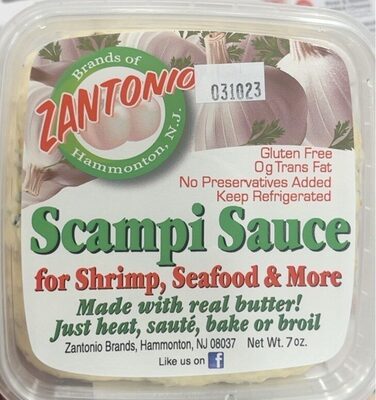
Learn more
Auto-generated content. This description was generated automatically and is pending editorial review. Inaccuracies are possible. Found a mistake? Contact us.