50 Grain Acidity
Auto-generated content. This description was generated automatically and is pending editorial review. Inaccuracies are possible. Found a mistake? Contact us.
What it is
50 Grain Acidity is a term used to describe the strength of vinegar, specifically its acetic acid content. It is typically made through the fermentation of alcohol, often from grains or other carbohydrate sources, followed by oxidation to produce acetic acid.
Why it's used
Manufacturers use vinegar, including products labeled with 50 Grain Acidity, as an acidity regulator and preservative. It adds a sour flavor and can help inhibit microbial growth. It is commonly found in salad dressings, marinades, pickles, and other preserved foods.
Health notes
Vinegar is generally recognized as safe (GRAS) by the FDA for use in food. Acetic acid, the main component of vinegar, is not known to have adverse health effects at the levels typically consumed in food. International bodies like JECFA have evaluated acetic acid and its salts.
Allergen info
Vinegar is not derived from any of the 9 FDA major allergens. Gluten is not typically present in vinegar unless it is specifically made from wheat and not fully processed to remove gluten.
Products containing 50 Grain Acidity
Compare products →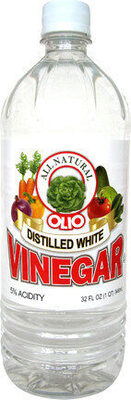 Lineberry Vine Company
Distilled White Vinegra
0kcal
0Protein
0Fat
0Carbs
Smart Foods LLC
Distilled White Vinegar
51kcal
0Protein
0Fat
0Carbs
AY-ITI Foods Inc.
Distilled White Vinegar, Distilled White
0kcal
0Protein
0Fat
0Carbs
Tvt's International Export & Import Co.
White Distilled Vinegar
0kcal
0Protein
0Fat
0Carbs
Pastorelli Food Products Inc.
Apple Cider Vinegar
0kcal
0Protein
0Fat
0Carbs
Pastorelli Food Products Inc.
Apple Cider Vinegar
0kcal
0Protein
0Fat
0Carbs
RT Wholesale, LLC.
Farro With Green Peas Salad
High in sodium — 35% DV per serving
High in saturated fat — 40% DV per serving
151kcal
6.0Protein
8.1Fat
14.6Carbs
GROCERY DELIVERY E-SERVICES USA INC.
Beef Bibimbap With Quick-Pickled Carrots, Sesame Sauce, And Jasmine Rice Meal Kit, Beef Bibimbap
High in sodium — 30% DV per serving
High in saturated fat — 50% DV per serving
High in cholesterol — 32% DV per serving
158kcal
8.1Protein
6.7Fat
16.0Carbs
Kradjian Importing Co., Inc.
White Wine Vinegar
13kcal
0Protein
0Fat
0Carbs
Indo-European Foods Inc
Zergut, Apple Cider Vinegar
13kcal
0Protein
0Fat
0Carbs
Indo-European Foods Inc
Red Wine Vinegar
13kcal
0Protein
0Fat
0Carbs
Lineberry Vine Company
Distilled White Vinegra
0kcal
0Protein
0Fat
0Carbs
Smart Foods LLC
Distilled White Vinegar
51kcal
0Protein
0Fat
0Carbs
AY-ITI Foods Inc.
Distilled White Vinegar, Distilled White
0kcal
0Protein
0Fat
0Carbs
Tvt's International Export & Import Co.
White Distilled Vinegar
0kcal
0Protein
0Fat
0Carbs
Pastorelli Food Products Inc.
Apple Cider Vinegar
0kcal
0Protein
0Fat
0Carbs
Pastorelli Food Products Inc.
Apple Cider Vinegar
0kcal
0Protein
0Fat
0Carbs
RT Wholesale, LLC.
Farro With Green Peas Salad
High in sodium — 35% DV per serving
High in saturated fat — 40% DV per serving
151kcal
6.0Protein
8.1Fat
14.6Carbs
GROCERY DELIVERY E-SERVICES USA INC.
Beef Bibimbap With Quick-Pickled Carrots, Sesame Sauce, And Jasmine Rice Meal Kit, Beef Bibimbap
High in sodium — 30% DV per serving
High in saturated fat — 50% DV per serving
High in cholesterol — 32% DV per serving
158kcal
8.1Protein
6.7Fat
16.0Carbs
Kradjian Importing Co., Inc.
White Wine Vinegar
13kcal
0Protein
0Fat
0Carbs
Indo-European Foods Inc
Zergut, Apple Cider Vinegar
13kcal
0Protein
0Fat
0Carbs
Indo-European Foods Inc
Red Wine Vinegar
13kcal
0Protein
0Fat
0Carbs