Acidifying Agents
What is Acidifying Agents?
Acidifying agents are substances that make foods more acidic, or tart. They can be naturally occurring or synthesized. Many are derived from fruits, vegetables, or fermentation processes.
Is Acidifying Agents vegan?
Acidifying Agents is not animal-derived. Products that contain it can still include other animal-derived ingredients, so check the full ingredient list.
Is Acidifying Agents gluten-free?
Some acidifying agents may be derived from wheat (e.g., citric acid from fermentation of corn or molasses), but the final product is typically gluten-free.
Is Acidifying Agents a major allergen?
Not a major allergen.
What is Acidifying Agents used for?
Manufacturers add acidifying agents to control pH levels, enhance flavor, and act as preservatives.
Is Acidifying Agents safe?
Acidifying agents are generally recognized as safe (GRAS) by the FDA for use in food.
Why it's used
Manufacturers add acidifying agents to control pH levels, enhance flavor, and act as preservatives. They are commonly found in sauces, dressings, canned goods, and beverages to provide a sour or tangy taste and to help extend shelf life.
Health notes
Acidifying agents are generally recognized as safe (GRAS) by the FDA for use in food. International bodies like JECFA and EFSA have evaluated many of these substances. At typical consumption levels, they do not pose health risks. Some evidence suggests a link between high intake of acidic foods and dental erosion, but this is not specific to added acidifying agents.
Allergen info
Not a major allergen. Some acidifying agents may be derived from wheat (e.g., citric acid from fermentation of corn or molasses), but the final product is typically gluten-free.
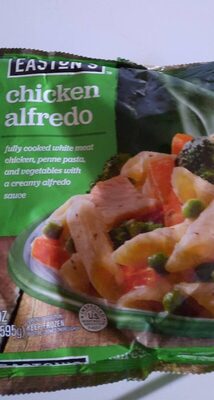
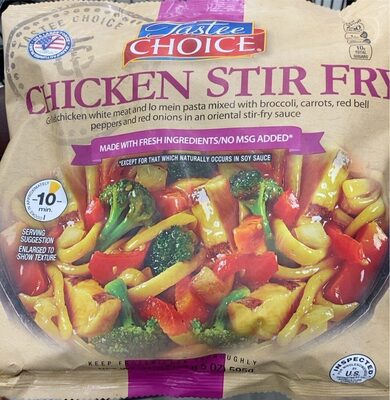
Foods that contain Acidifying Agents
Compare products →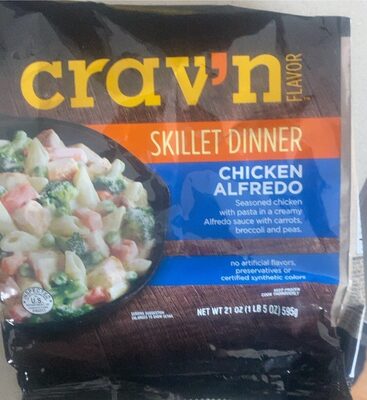

Auto-generated content. This description was generated automatically and is pending editorial review. Inaccuracies are possible. Found a mistake? Contact us.