Acidity Regulators: Lactic Acid And Citric Acid
What is Acidity Regulators: Lactic Acid And Citric Acid?
Lactic acid and citric acid are natural acids found in many fruits and dairy products. They are produced industrially through fermentation using bacteria or yeast, or by chemically synthesizing them from plant-based sources.
Is Acidity Regulators: Lactic Acid And Citric Acid gluten-free?
Gluten is not typically present.
Is Acidity Regulators: Lactic Acid And Citric Acid a major allergen?
Not a major allergen.
What is Acidity Regulators: Lactic Acid And Citric Acid used for?
These ingredients are used as acidity regulators to control the pH of foods, which affects flavor, texture, and preservation.
Is Acidity Regulators: Lactic Acid And Citric Acid safe?
Lactic acid and citric acid are generally recognized as safe (GRAS) by the FDA.
Why it's used
These ingredients are used as acidity regulators to control the pH of foods, which affects flavor, texture, and preservation. They add a tart or sour taste and are commonly found in pickles, olives, salad dressings, and soups.
Health notes
Lactic acid and citric acid are generally recognized as safe (GRAS) by the FDA. They are naturally present in the body and are metabolized through normal pathways. Both have been evaluated by international bodies like JECFA and EFSA, which have found them safe for consumption at typical levels. There are no major health controversies associated with their use in food.
Allergen info
Not a major allergen. Neither lactic acid nor citric acid are derived from the major allergens. Gluten is not typically present.
Foods that contain Acidity Regulators: Lactic Acid And Citric Acid
Compare products →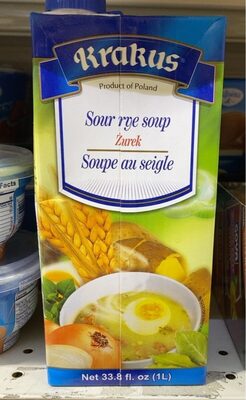
Auto-generated content. This description was generated automatically and is pending editorial review. Inaccuracies are possible. Found a mistake? Contact us.